
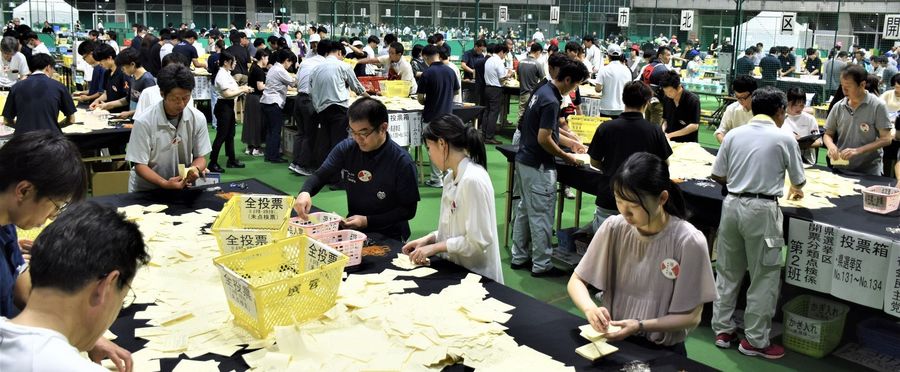
As the Japanese elections draw near, there is a rising discussion about undecided voters pivoting towards casting 'blank votes.' Data indicates an increasing pattern of individuals who are uncertain about their voting preferences. This debate brings to the foreground the significance such blank votes may have in shaping political outcomes. Critics suggest this might lead to an uninformed electorate, while proponents argue it represents a form of silent protest against the political status quo.
In Japan's political environment, casting a blank vote is viewed as a unique form of civil dissent that directly impacts electoral results. Having a group of undecided voters who decide to submit blank votes can significantly influence the course of the election. This act reflects the citizens' perceived lack of representation and their dissatisfaction with the current political contenders.
In contrast, in the US and the EU, blank voting is less prevalent and less discussed. This is likely due to two factors: the dominant two-party systems and compulsory voting laws. Larger proportions of the population feel represented by either of the two major parties and are thereby less likely to cast a 'blank vote.'