
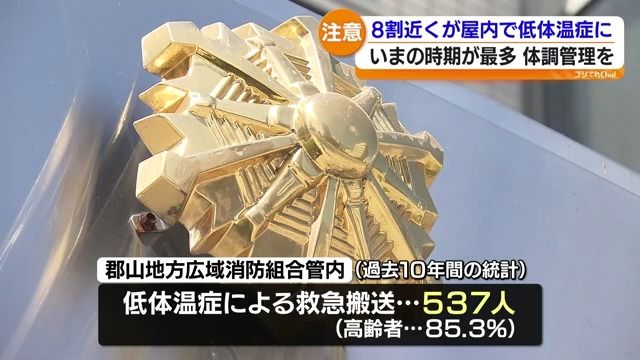
The incidence of hypothermia, particularly within indoor settings, is on the rise among the elderly in Japan, warranting increased vigilance. This occurs when body temperatures drop due to prolonged exposure to cold environments, which can occur even indoors during the harsh winter months. The elderly, with lesser heat conservation capacity, are at higher risk. This highlights an urgent need for intervention measures, such as maintaining adequate indoor heating, thermal clothing, and regular monitoring of the elderly especially during winter.
Japan has a rapidly ageing population, and welfare for the elderly is a major social concern. As observed in this news, hypothermia, especially indoor hypothermia, is becoming an increasing worry for ageing Japan. Amidst the country's biting winter temperatures, indoor heating may not be sufficient or efficiently used, posing serious health risks to the nation's elderly. There is a deep-seated respect for the elderly tied to societal values in Japan, making this a poignant issue demanding prompt attention and solutions.
In the US or EU, there are similar concerns regarding the elderly and hypothermia, especially in countries or states with severe winter temperatures. However, central heating systems are much more common and efficient in Western countries than in Japan, thereby reducing the risk of indoor hypothermia. Further, public awareness campaigns and social welfare initiatives to check on the elderly during extreme weather are more prevalent.