
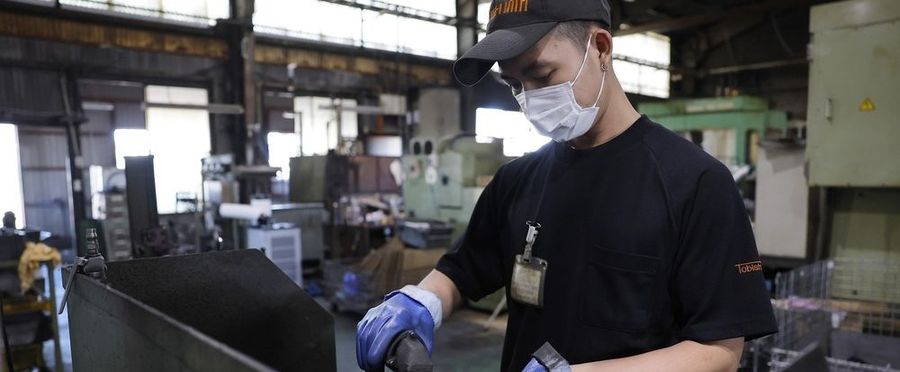
Japan's foreign workforce has hit an all-time high of 2.57 million, according to the latest reports. The growth reflects Japan's efforts to tackle its labor shortage by diversifying its workforce, amid an aging population and a historically low birth rate. Despite the pandemic, companies have been actively hiring, leading to a record surge in foreign employment.
This news is significant within Japan due to the country's rapidly aging population and declining birthrate, which are major contributing factors to labor shortages in various sectors. In an effort to address these problems, the government has been pushing policies that encourage employment of foreign workers. This topic often leads to debates about balancing economic needs with cultural preservation, and raises a lot of questions about integration and workers' rights.
In contrast, countries like the US and the EU have long accepted immigrants and foreign workers to supplement their workforce. However, the handling of workers' rights, integration, and cultural admixture are ongoing issues. Unlike Japan, which is relatively new to these challenges, the US and EU countries have a longer history of wrestling with these complexities.