
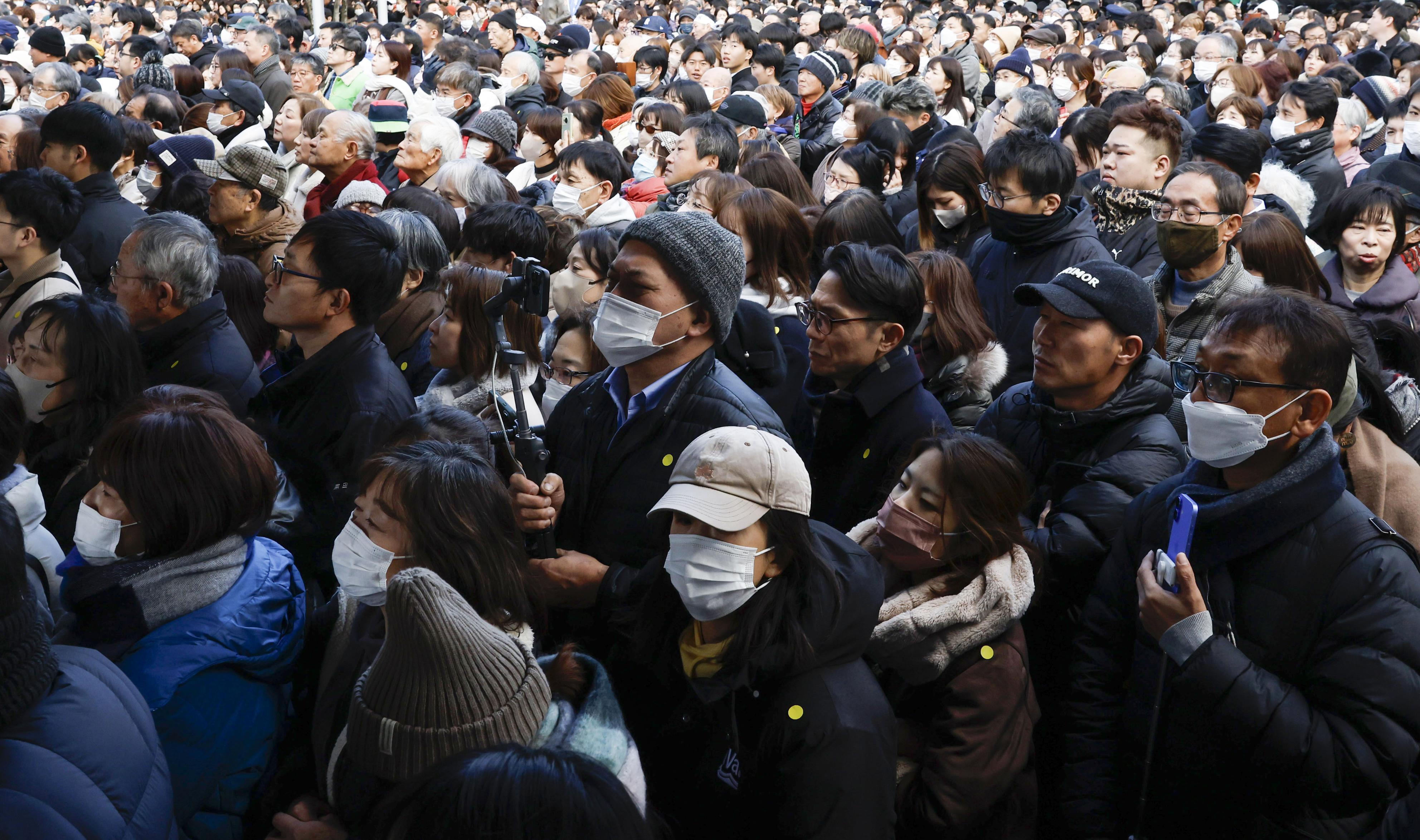
As Japan gears up for its mid-term elections, both the ruling and opposition parties are reportedly strengthening their camps. This strategic move follows recent political shifts and is seen as an attempt to consolidate power ahead of the important electoral battle. The focus on strategic campaigning suggests both parties are keen to assert their policy agendas and secure voter support, signifying critical times ahead in Japan's political arena.
In Japan, politics often revolves around party solidity and the ability to unite under a specific policy agenda. Elections are often tight and fiercely contested, and the build-up to these elections can shape the course of legislation and policymaking. Therefore, the consolidation of party ranks is seen as a crucial step in gaining support and potentially influencing the election outcome - a fact that's especially pertinent considering the nation's recent political upheavals.
In the US or EU, similar political maneuvers are seen during election periods. The focus is often on rallying party members and consolidating policy agendas to solidify public support. However, the impact of such consolidations can vary depending on numerous factors like the political climate, party popularity, and public sentiment.