
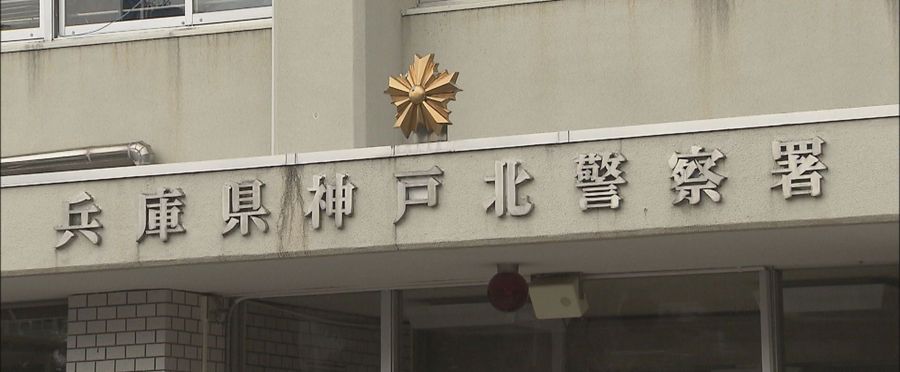
In a recent incident in Japan, a woman was arrested after a stillbirth occurred at her residence. The hospital chief has raised objections, protesting against this detainment. Usually, when such incidents occur, local authorities perform investigations to determine the factors contributing to the stillbirth. The details of the investigation proceeding, including whether the mother received adequate prenatal care, are still undisclosed. The hospital director's protest reflects social debate regarding the incident's handling.
In Japan, there is significant respect for personal, familial, and societal harmony, which influences the nation's reaction to such issues. This story plays into sensitive areas of maternity, law, and societal expectations. A key value is the utmost concern for prenatal and postnatal healthcare, which includes professionally supervised childbirth. The arrest in this case reflects the application of law over maternal mishaps, but the protest by the hospital director indicates a broader sentiment against criminalizing unfortunate health outcomes.
Unlike Japan, in the US or EU, mothers are generally not arrested following a stillbirth unless there is clear evidence of negligence or abuse. The medical, legal, and societal approach revolves around support, understanding, and careful investigation rather than immediate criminalization. Moreover, home births are more accepted, especially in the EU, enabled by prenatal and postnatal healthcare systems.