
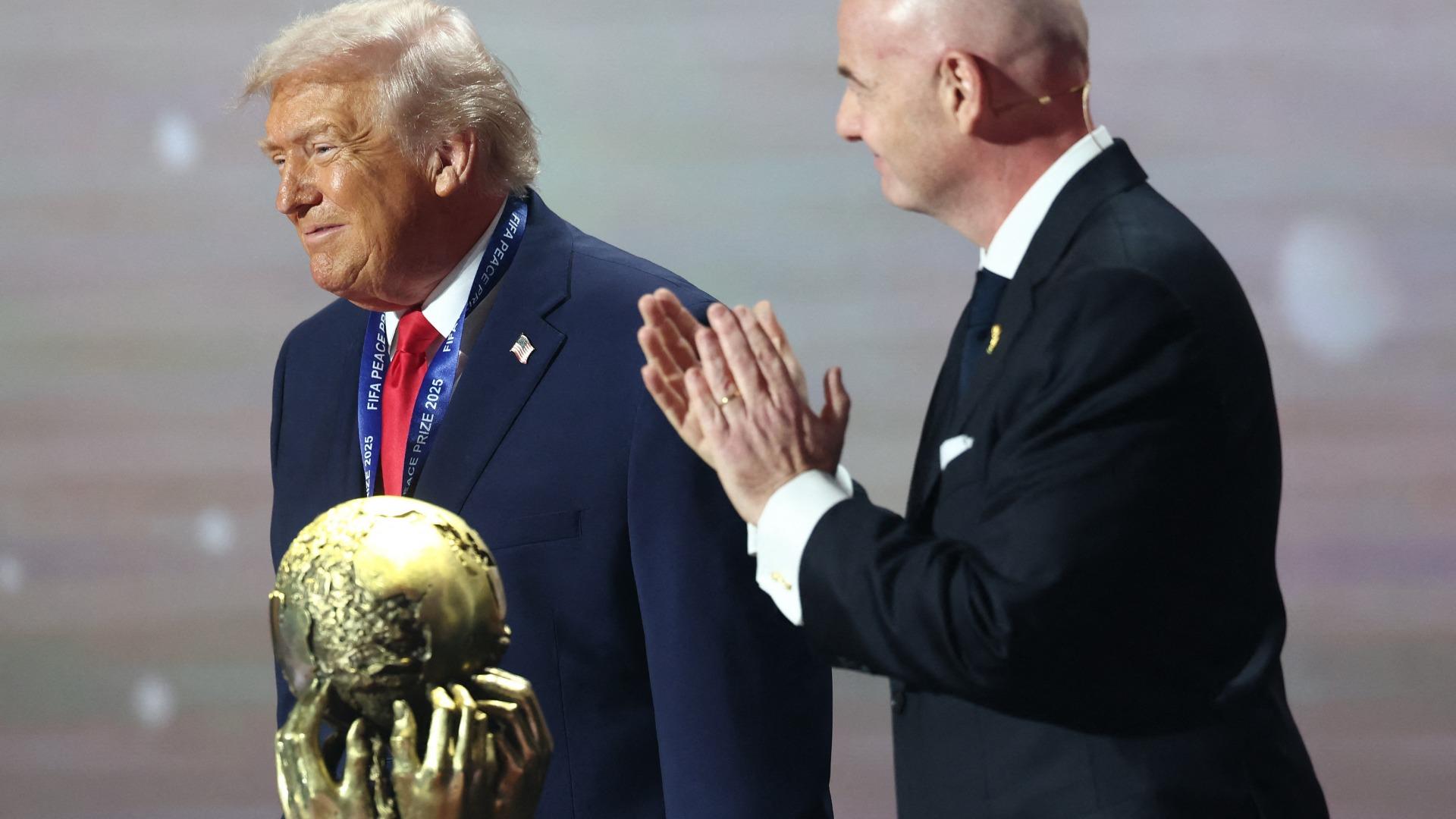
There's an increasing debate surrounding a potential boycott of the World Cup that is unfolding in Europe. This article investigates the underlying reasons for this growing sentiment. While no specific group or individual is pinpointed as the driving force behind the calls for a boycott, it is evident that various socio-political and ethical factors contribute to this latest development. The severity and seriousness of these influences are yet to be examined.
In Japan, this news is being diligently followed due to the nation's passion for soccer, as well as the larger socio-political implications it could have given the country's relationship with Europe. Japanese society values fair play and respect in sports and this potential boycott raises both ethical and legal questions: specifically, how does this align with the nation's understanding and interpretation of these principles in a global context?
In comparison, both the US and EU have proven to be more open to boycotts in sports as a form of protest or statement on socio-political issues. Whereas Japan might see a boycott as disruptive or disrespectful, Western nations often view it as a powerful method of non-violent protest and a way to bring global attention to contentious matters.