
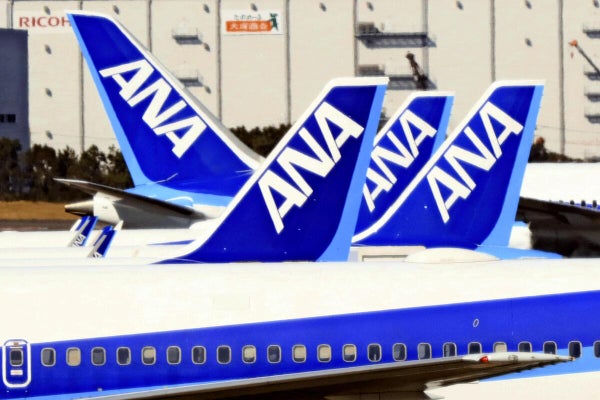
Japan's All Nippon Airways (ANA) is reportedly planning to introduce more flexibility into its international flight schedules. While details have yet to be disclosed, this strategic shift suggests that ANA is adapting its business model to changing air travel trends and a volatile global climate. The specific mechanisms through which this flexibility will be achieved and the impact it will have on customers' flight experiences remain to be seen.
In Japan, major airlines like ANA serve a crucial role in connecting the country to the rest of the world. Changes made by these airlines can significantly impact not only the domestic economy but also international tourism. As a result, both the media and consumers closely watch decisions such as ANA's alteration of flight schedules.
Similar to the US and EU, scheduling changes in major airlines often generate significant attention due to their potential impact on travelers, tourism, and the economy. However, unlike in the US or EU, where multiple airlines may operate in one city, Japan has fewer major airline companies, which could make the effects of such changes more pronounced.