
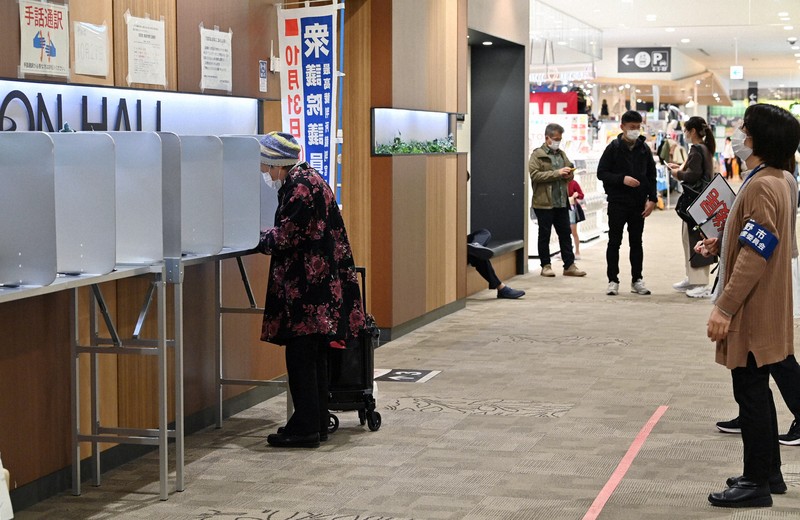
Recently, there is an escalating trend of the diminishing number of advanced polling places for the House of Representatives election in Japan. This trend seems to be intensifying amidst the times when the number of voters who vote in advance to prevent congestion on election day is increasing due to the ongoing pandemic. Advocates argue that this situation is not feasible as it imposes real challenges to the democratic process, calling for immediate actions in the administration of advance ballots.
Many Japanese citizens agree that the advanced voting system is essential to the social structure as it provides the citizenry a sufficient chance to participate in the democratic processes and voice their opinions. However, the reduction of voting stations has raised concerns about the potential impacts on voter turnout and how it may marginalize remote populations and the elderly. These factors are fueling ongoing discussions about maintaining fairness and accessibility in the voting process.
Unlike Japan, the US and EU have a more robust advanced voting system. In the US, each state handles early voting differently, with many offering a range of options including postal voting, ballot drop boxes, and early voting stations, often in multiple locations. In many EU countries, early voting, mail-in options, and multiple polling places are provided to maximize voter turnout. In contrast, this situation in Japan seems to lag behind, prompting room for improvements.