
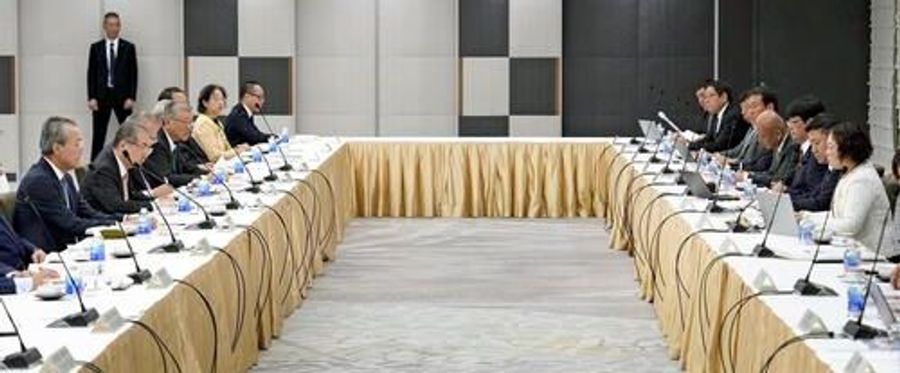
The annual "Spring labor offensive" (Shunto), a customary wage negotiating period, has gained attention across Japan as representatives aim for hikes that surpass inflation rates. This economic tug-of-war draws corporate and labor group participants, who are wrangling over wage adjustments that may help insulate Japanese - particularly middle and lower-income citizens - from the impact of rising prices. It's a decisive issue indicative of Japan's ongoing economic recovery efforts.
Japan's annual Shunto is critically influential, shaping the economic tenor of the country for the projected year. Citizens are deeply invested in its outcomes, as it affects their living standards and capacity to weather inflation. Embedded within this practice are deep-seated cultural values of consensus negotiation, social equity, and the drive to fortify the economy against external pressures.
In the US and EU, such negotiations often occur within individual industries and can be contentious, sometimes leading to strikes or labor unrest. This is less common in Japan, where consensus is traditionally preferred. However, the fundamental issue - striking a balance between wage growth and managing inflation - is a shared concern amongst these economies.