
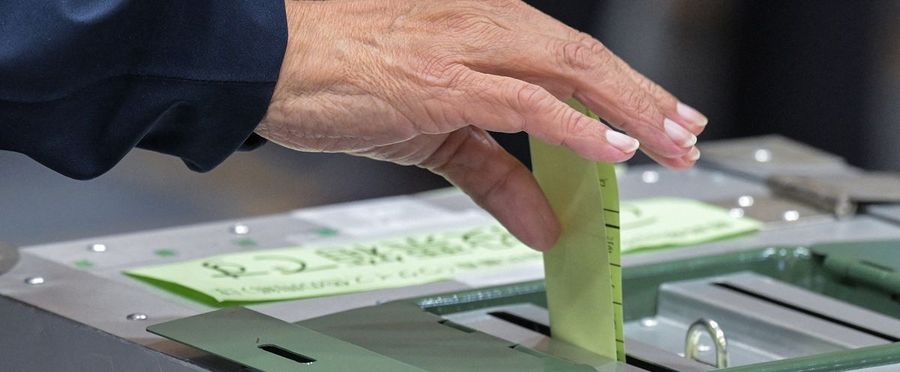
The recent Japanese Lower House Election revealed a significant disparity in the value of individual votes, with the discrepancy reaching up to 2.10 times depending on the district. The release of this data has sparked discussions about the fairness of the current voting system. Critics contest that the uneven allocation of voting power across districts challenges the democratic principles of equality and fairness.
The voting disparity issue is a recurring theme in Japan's Lower House elections. Japan's electoral system aims to maintain a balance between urban and rural districts, but critics argue that this creates a significant disparity in the voting power of individuals. Many Japanese citizens and groups urge for a more equitably distributed voting system to better represent the country's demographic distribution.
Unlike Japan, the US and the EU employ different voting systems. For instance, the US’s system ensures equal representation from each state in the Senate, regardless of the population size, while the House of Representatives is distributed based on the state’s population. In the EU, the European Parliament is directly elected based on proportional representation. However, they also face their share of criticisms and calls for reform, making it a shared democratic challenge.