
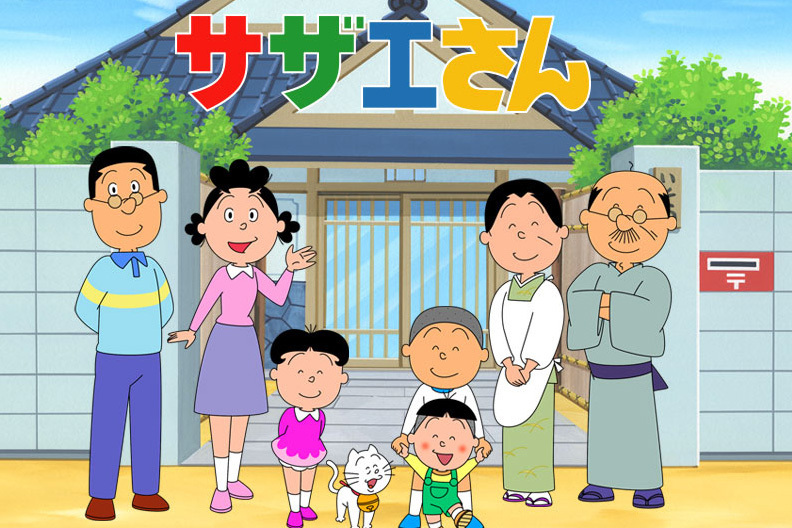
The Taiwanese adaptation of the iconic Japanese animation series, Sazae-san, has sparked widespread attention due to its unique usage of Kanji characters in its naming. Deviating from conventional Mandarin characters typically used in Taiwan, this development is a niche example of the cultural exchange between Japan and Taiwan. It reiterates the universal appeal of Japanese pop culture and the global reach of its anime industry.
The original Sazae-san is a household name in Japan, holding a universal appeal through generations since its inception in 1969. This increased interest in how their beloved animation is being adapted and represented in a foreign context attaches a degree of cultural significance to the news. The usage of Kanji characters, a shared writing system, might also invite discussions about cultural and linguistic ties between Japan and Taiwan.
In the US or EU, cross-cultural adaptations of popular series are also watched with keen interest. However, the emphasis might not be as much on specific linguistic aspects, given the dominance of English. Nevertheless, faithful translations, dubbed versions and cultural adaptations do exist and are important facets of content consumption.