
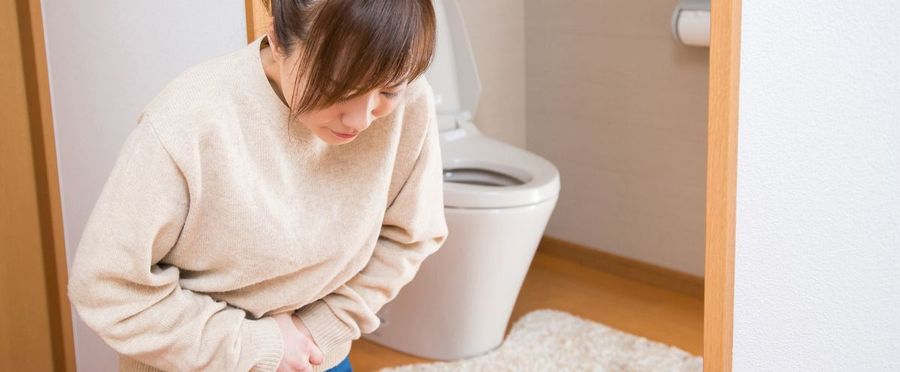
Japanese health authorities have issued a warning about the dangers of Norovirus, commonly associated with raw oysters, but highlighting that other food items can also be vectors. The announcement urges the public to be mindful not just during winter, the peak oyster-consumption period, but whenever handling and preparing other seafood and produce. Comprehensive food safety measures are recommended to prevent the highly contagious virus from spreading.
Foodborne illnesses, such as the Norovirus, are a significant public health concern in Japan given its prevalent seafood diet, with raw oyster consumption being a cultural norm. The government and health authorities actively promote food safety education, and any Norovirus outbreak becomes a major news story, often leading to stricter food safety inspections and rules.
In the US or EU, foodborne illnesses are also a prevalent public health concern, and similar precautionary measures are enforced. However, due to the difference in dietary habits, the sources of these infections can vary. The US tends to focus on meat and poultry safety, while the EU also similarly oversees seafood safety procedures.