
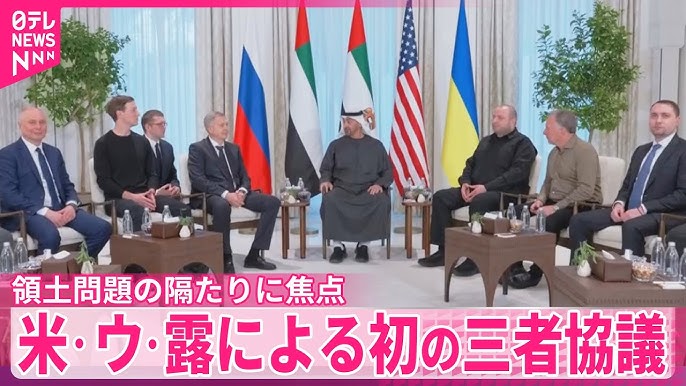
An ongoing trilateral dialogue involving the United States, Japan, and Russia faces potential challenges due to existing territorial conflicts. The mutual talks aim at diplomatically rectifying these long-standing issues, but the path to agreement seems fraught with difficulty. As with any international dispute, the stakes are high and the path ahead unpredictable.
Territorial issues, especially those involving neighboring countries like Russia, have always been a burning subject in Japan. Given Japan's highly nationalistic perspective, any negotiation or discussion about territorial disputes often elicits strong reactions from the populace and the political sphere. Some Japanese see these disputes as a matter of national pride and historical justice.
Territorial conflicts such as this one are tackled differently in the United States and European Union due to divergent historical and geopolitical contexts. While the US occasionally gets entangled in similar disputes (for instance, with Canada or in the Arctic), these disputes are typically resolved amicably through diplomacy, reflective of their long-lasting alliances. The European Union, on the other hand, emphasizes cooperative dispute resolution mechanisms within its framework to maintain peace and stability among member nations.