
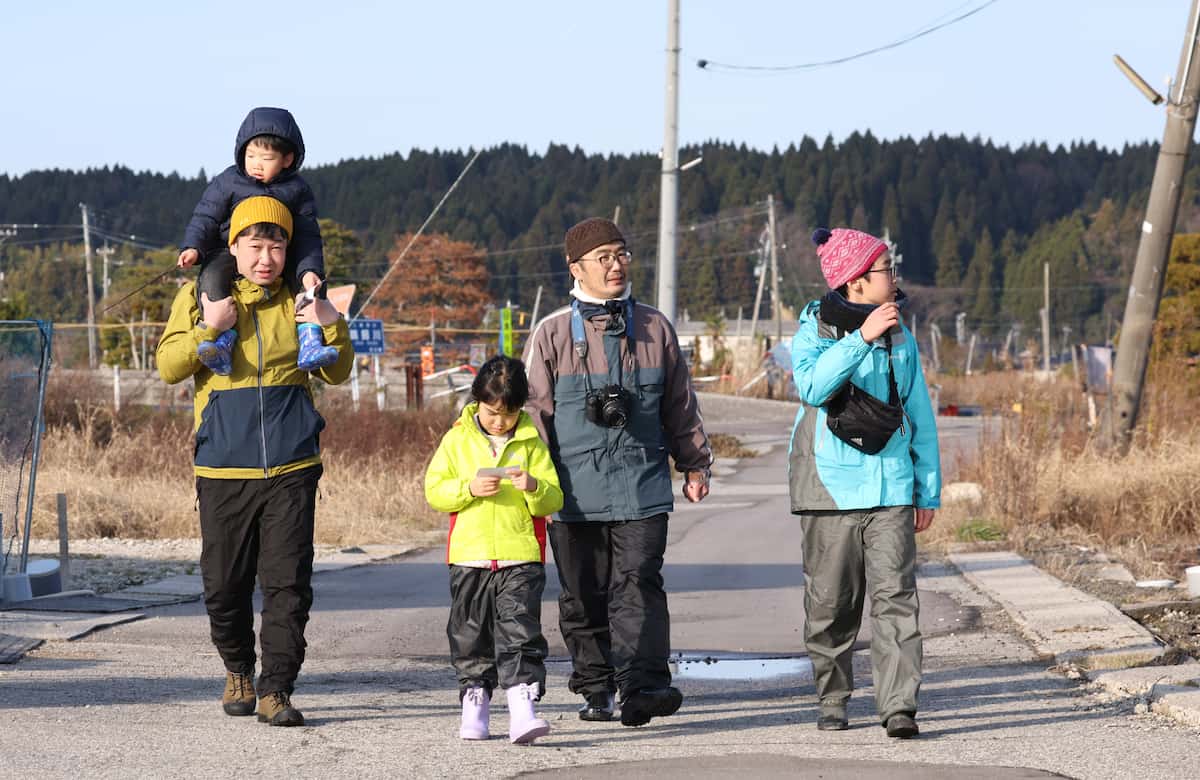
In a unique case highlighting societal issues, a 12-year-old in Japan has stepped in as the primary caregiver for five younger siblings. Details are under wraps to protect the children's identity, but public sentiment has shifted to discussions around the country's child welfare system and related legalities. The incident has elevated concerns regarding the plight of unattended minors and the legal framework surrounding underage guardianship in Japan.
Japanese society values collective responsibility, with family ties and shared obligations placed above individual freedoms. The news of a minor shouldering such a significant duty has raised concern and prompted dialogue around child rights, child protection laws, and family support structures, with particular focus on the existing guardianship laws.
In comparison, the US or EU deal with similar situations by involving Child Protective Services or similar organizations that ensure the safety of the child and address their welfare concerns. Legal questions around the guardianship of minors are usually stringent, and cases involving children taking on parental roles often result in swift intervention and an endeavor to identify more suitable caretaker(s).