
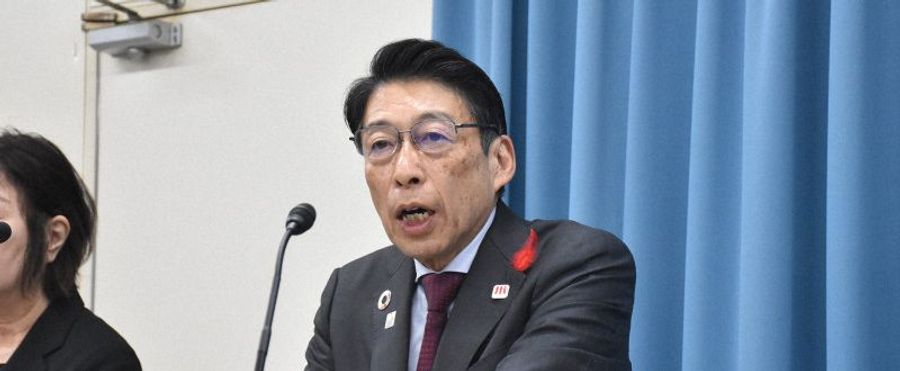
Japanese regional governments are expressing concern over the current trend of "tax cut populism". There's been growing unrest due to tax reductions which seem to primarily cater to win popular favor rather than serve the collective aim of fiscal stability. Regional governments, those chiefly in rural areas, are the most vocal, as the populist-driven policies are leaving them financially strained and undermining regional recovery and development.
In Japan, the balance between fostering economic growth and preserving fiscal stability is a continuous debate. While many politicians argue for tax cuts as a way to stimulate the economy, others are noting the consequences to regional stability. Japan's countryside regions, usually less economically developed, rely heavily on the country's fiscal policy to support growth and maintain stability. A rise in populism threatens this balance, leading to the alarm from these regions.
In similar cases in the US or EU, debates also occur around tax reduction and national fiscal balance. However, in these regions, it is not uncommon for local governments to have greater autonomy over their fiscal policies. This can potentially shield them against harmful national populist trends. The centralization of Japanese politics, on the other hand, means that changes to national tax policies have more direct effects on regional entities.