
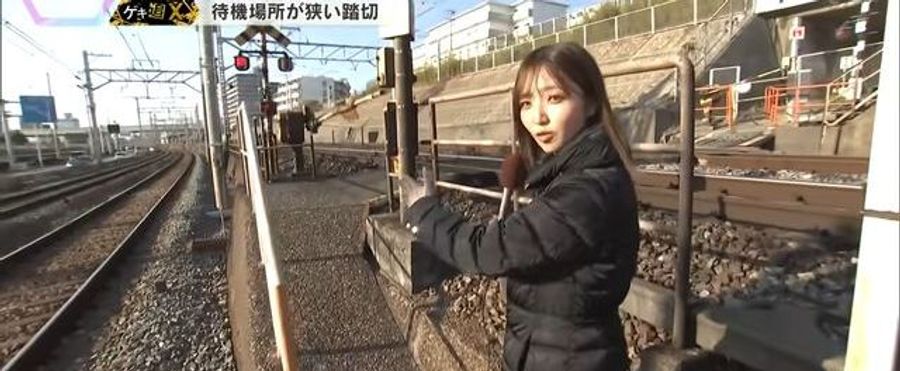
With an alarming width of just 80cm, Japan's narrow railway crossings have come under scrutiny as particularly dangerous, raised in this article. There's growing concern within communities and amongst safety advocates over incidents relating to these crossings, due to their minimal size and inadequate safety provisions. The focus is on understanding the reasons behind the existence of these crossings and finding viable solutions to enhance public safety.
In Japan, rail travel is an essential mode of transportation, with an intricate network running through cities, suburbs, and rural areas. Despite the efficiency of the railway lines, there are numerous small-sized crossings, common particularly in densely populated urban areas, that pose significant safety issues. The discourse is twofold — addressing the reluctance to upgrade due to financial constraints, and recognizing the government and railway companies' responsibility to ensure commuter safety.
Contrary to Japan, in the US and EU, the standard width for railway crossings is much wider, taking into consideration pedestrian and vehicle safety. Safety measures like automatic gates, flashing lights, warning systems, and barriers are obligatory and heavily regulated. The narrow track phenomenon is relatively unique to Japan due to its high-density urban living and deeply entrenched rail culture.