
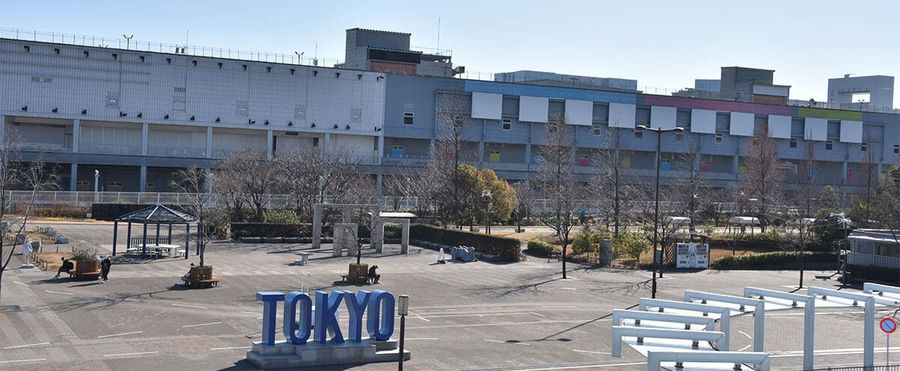
Recent reports reveal increasing concerns around the economic slump of Odaiba, a popular tourist destination and shopping hub in Tokyo, Japan. Despite past successes associated with its development, the area seems to be grappling with a growing perception of decline, raising questions about its future. Event cancellations and diminishing foot traffic are among the key reasons behind these worries.
Odaiba, a large artificial island, has been symbolic of Japanese economic prosperity and urban development strategies. The issue of its decline touches upon national pride, economic stability, and the effectiveness of urban planning policies. Online debates have ensued about revitalization efforts needed, reflecting societal interest in preserving popular tourist destinations and national icons.
In the US or the EU, declining tourism or retail locations would typically be managed through urban renovation plans, local government incentives, and marketing strategies to revive areas of interest. Like Japan, the decay of tourist dessinations also evoke discussions on economic policies, urban planning, and heritage preservation.