
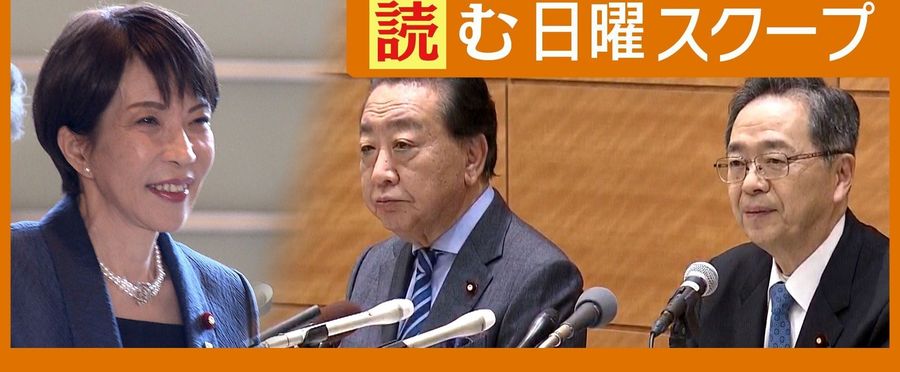
The ruling and opposition parties in Japan are currently embroiled in discussions over the possible abolition of the consumption tax on food. While there are proponents in both camps pledging to reduce the tax to zero, the issue is far from unanimous agreement, with politicians grappling to balance potential economic repercussions and public welfare considerations. The negotiations, though held behind closed doors, are considered important in shaping the fiscal landscape in Japan.
In Japan, the topic of consumption tax on food is sensitive, as it directly affects everyday cost of living. A tax cut could represent significant savings for households, particularly ones with lower income. However, reducing or eliminating such tax could lead to a significant loss of national revenue, and Japan's economy has been grappling with a vast public debt for years.
In contrast, most U.S. states impose sales tax on grocery items as well, however, certain exceptions exist where food is not taxed. In the EU, the VAT treatment of food varies from one country to another, with some applying reduced or zero rates to foodstuffs. If Japan does move ahead with abolishing food tax, it would represent a departure comparatively.