
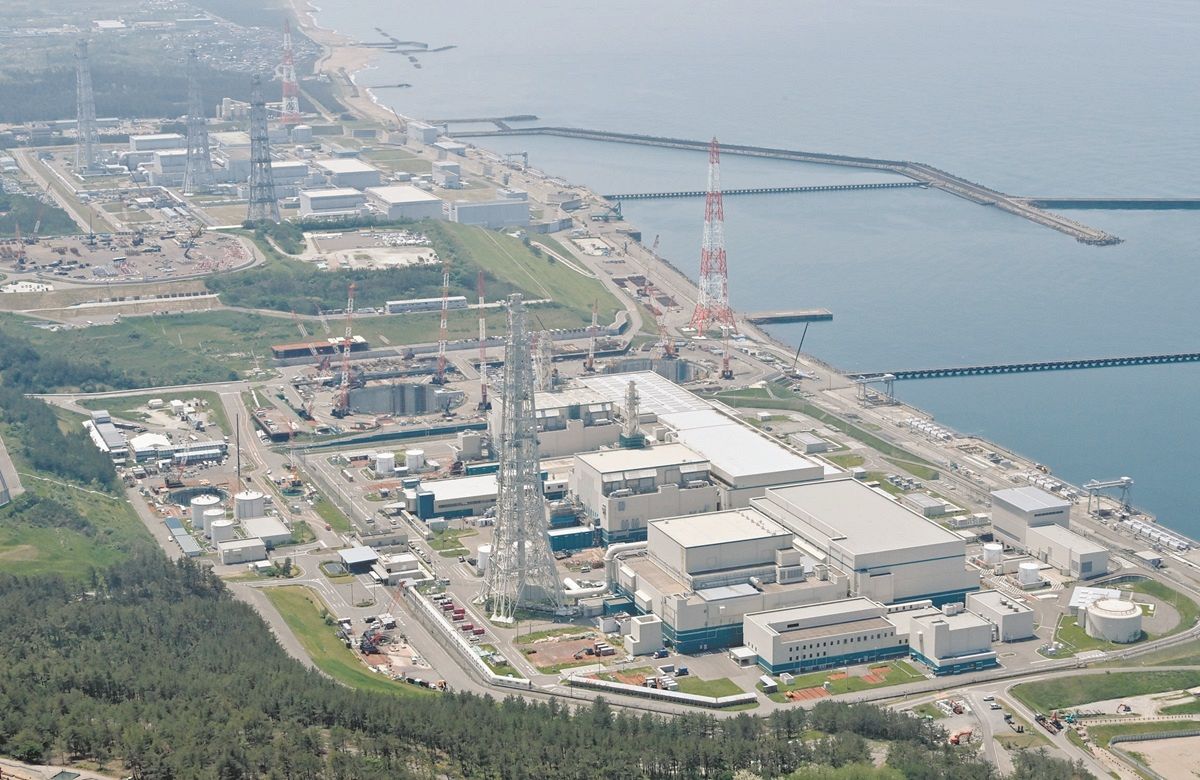
The Kashiwazaki-Kariwa Nuclear Power Plant, located in Niigata Prefecture, has restarted operations at its No. 6 reactor. The reactivation marks a significant development in Japan's post-Fukushima energy policy, aimed at reducing the nation's reliance on fossil fuels. The move is considered strategic in advancing Japan's commitments towards combating climate change. However, the restart has sparked concerns among local residents and anti-nuclear advocates, recalling memories of the 2011 Fukushima disaster.
Nuclear energy is a sensitive issue in Japan following the 2011 Fukushima disaster. The decision to restart the reactor reflects the nation's ongoing debate around safe energy production, economic necessity, and climate change commitments. While the government emphasizes the need to ensure a stable power supply and climate change commitments, concerns about nuclear safety and lack of public approval remain significant challenges.
In comparison to the US and EU, the reactivation of nuclear power plants is similarly controversial. In the US, nuclear power remains a part of the energy mix, but plant constructions have slowed due to increasing costs and public concern. In the EU, nations vary significantly with countries like France heavily relying on nuclear power, while others, like Germany, have committed to phasing out nuclear energy entirely due to safety and environmental concerns.