
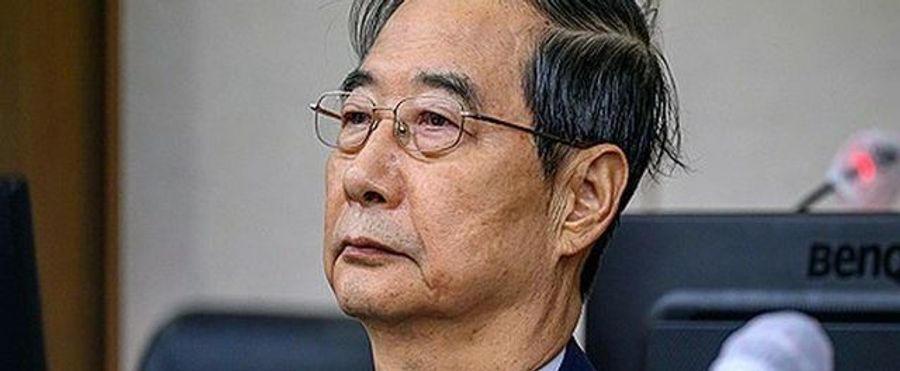
South Korea's former Prime Minister has been handed a 23-year prison sentence, a landmark ruling announced earlier today. The severity of the penalty signals the culmination of a high-profile corruption scandal that has shaken Korea's political landscape. The case has captivated attention domestically and abroad, as it offers a gripping example of political accountability in practice.
In Japan, this news is viewed with attention to implications about government transparency, the justice system, and political accountability. Both South Korea and Japan have grappled with instances of political corruption, and so Japanese citizens, particularly those engaged in politics, take interest in how South Korean judiciary and citizenry respond to this high-profile judgment.
In the US or EU, such news would also be headline material, given the significant influence of political figures. In these regions, judiciary transparency and political accountability are paramount - legal consequences for public servants engaged in corrupt practices are expected and demanded by citizens. Public reactions would likely be varied, ranging from satisfaction about justice served to concern about broader systemic issues.