
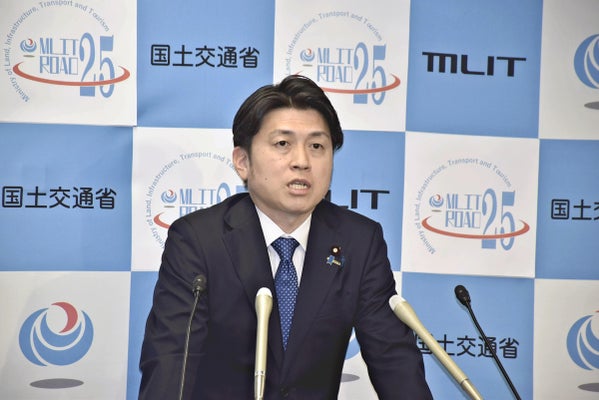
An unusual political maneuver is brewing in Japan as central path forces begin talks to organize an unprecedented dual-secretary general system. This initiative marks a distinct change in the country's political organization, and could have far-reaching implications for policy direction and governance. As discussions intensify, eyes both within Japan and worldwide are on this new development.
In Japan, the position of Secretary General in any political party is viewed with high regard, managing strategic initiatives and policy directions. A dual secretary system is a massive shift from the traditional one-person format, suggesting a push for diversified views, balanced power, or a response to internal conflicts. The public's attention will be on how this change impacts party unity, policy continuity, and overall governance.
In contrast, political parties in the US or EU generally employ a single person as the party head or secretary. While there have been co-leaders in some cases, these are mostly in cases of shared power or representation, but not as a systemic norm. A shift to a permanent dual leader model, as suggested in Japan, could indicate a move towards more cooperative governance models.