
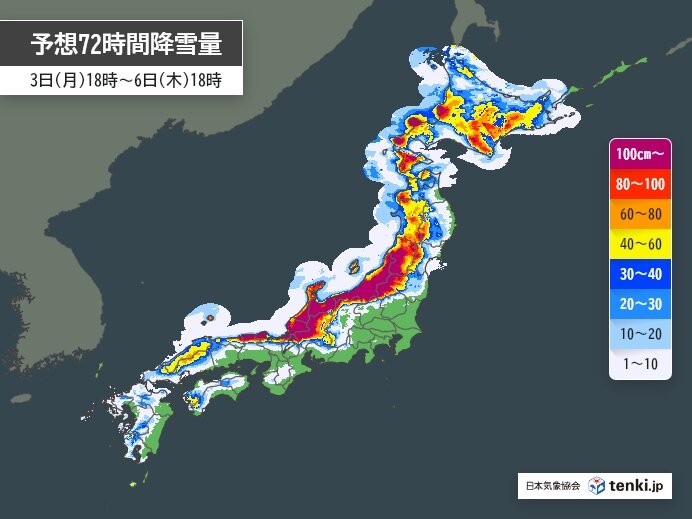
Japan is currently facing its longest and coldest wave in decades, posing numerous challenges for its residents and infrastructure. The situation calls for heightened vigilance regarding safety measures, specifically in preparation and response to such extreme weather. The government is cautioning citizens to stay safe by providing necessary guidelines and information on the likely effects of this unusual weather phenomenon.
In Japan, extreme environmental changes are serious matters as they affect the population's safety, economy, and lifestyle, given the country's island geography. Japanese culture values preparedness, so news like this would incorporate immediate preparation and preventive measures. The emphasis is on avoiding cold-related illnesses, protecting elderly citizens, and ensuring that the infrastructure is capable of dealing with such weather conditions.
Similar to the US or EU, where extreme weather conditions like polar vortexes or heatwaves are treated with high caution, the situation in Japan is a matter of utmost importance. The communication is similar across countries; importance is given to spreading awareness, educating the public about precautions, and mobilizing services to assist the vulnerable. However, Japan's swift and thorough preparedness initiatives hold a distinctive feature.