
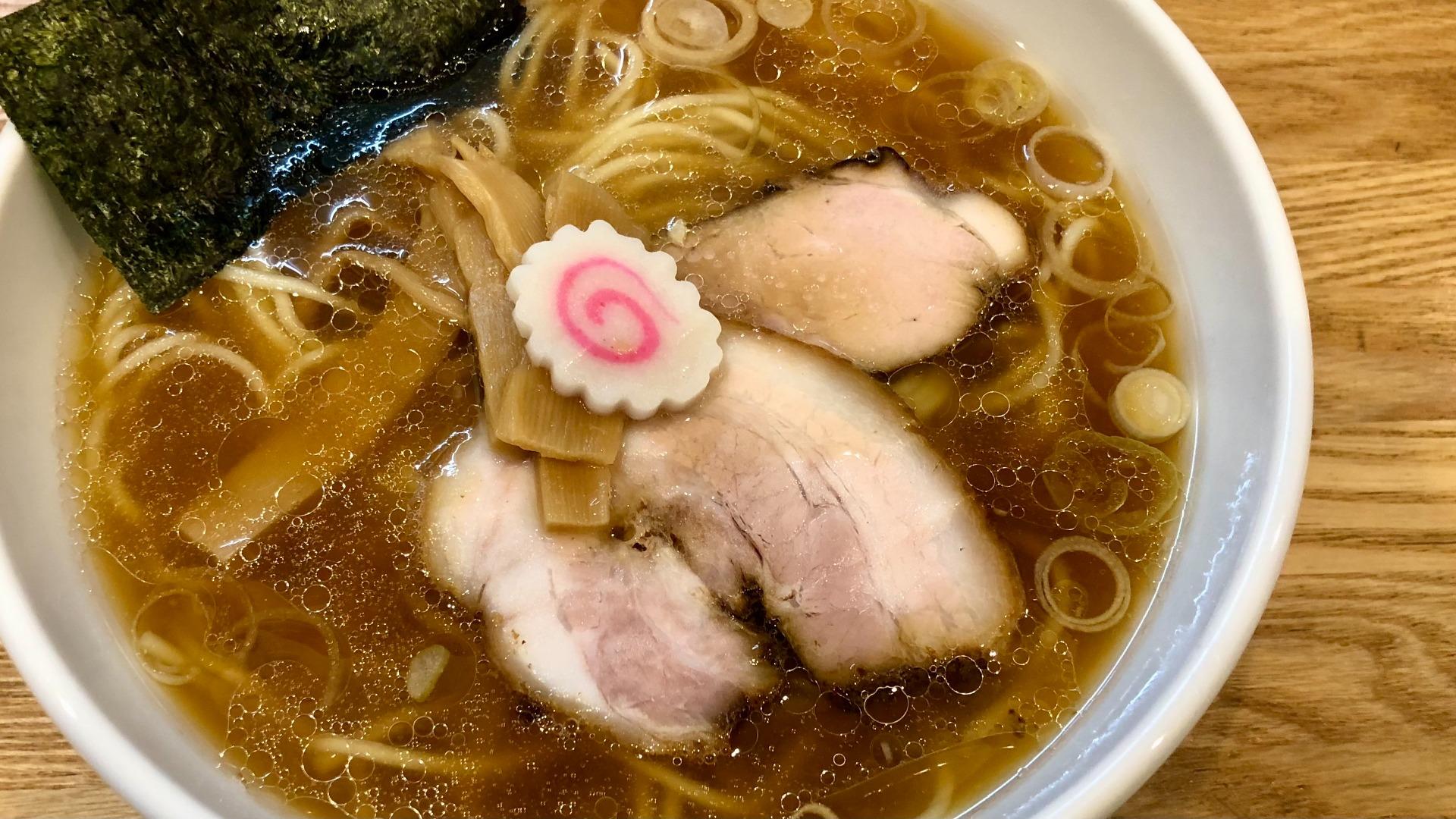
Japan is set to implement a zero tax rate on food consumption. This policy, expected to significantly influence the country's dining scene, aims to alleviate the financial burden on both consumers and restaurants. The exact date for this new policy to take effect remains undisclosed, and the government's rationale behind its decision, in context of the current economic climate, is also yet to be detailed exhaustively.
In Japan, food and beverage services play a significant role in the economy and culture. People frequent dining establishments for daily meals and socializing, and as such, the food consumption tax impacts many. Removing this tax might enhance customer spending, benefiting the industry, and fostering economic circulation. The issue, therefore, holds a high societal value and influence.
In the US or the EU, sales tax or value-added tax (VAT) differ by region and are rarely discounted nationwide. Any changes in such tax policies could cause significant shifts in industries and consumer behaviors, much like the expected outcomes in Japan.