
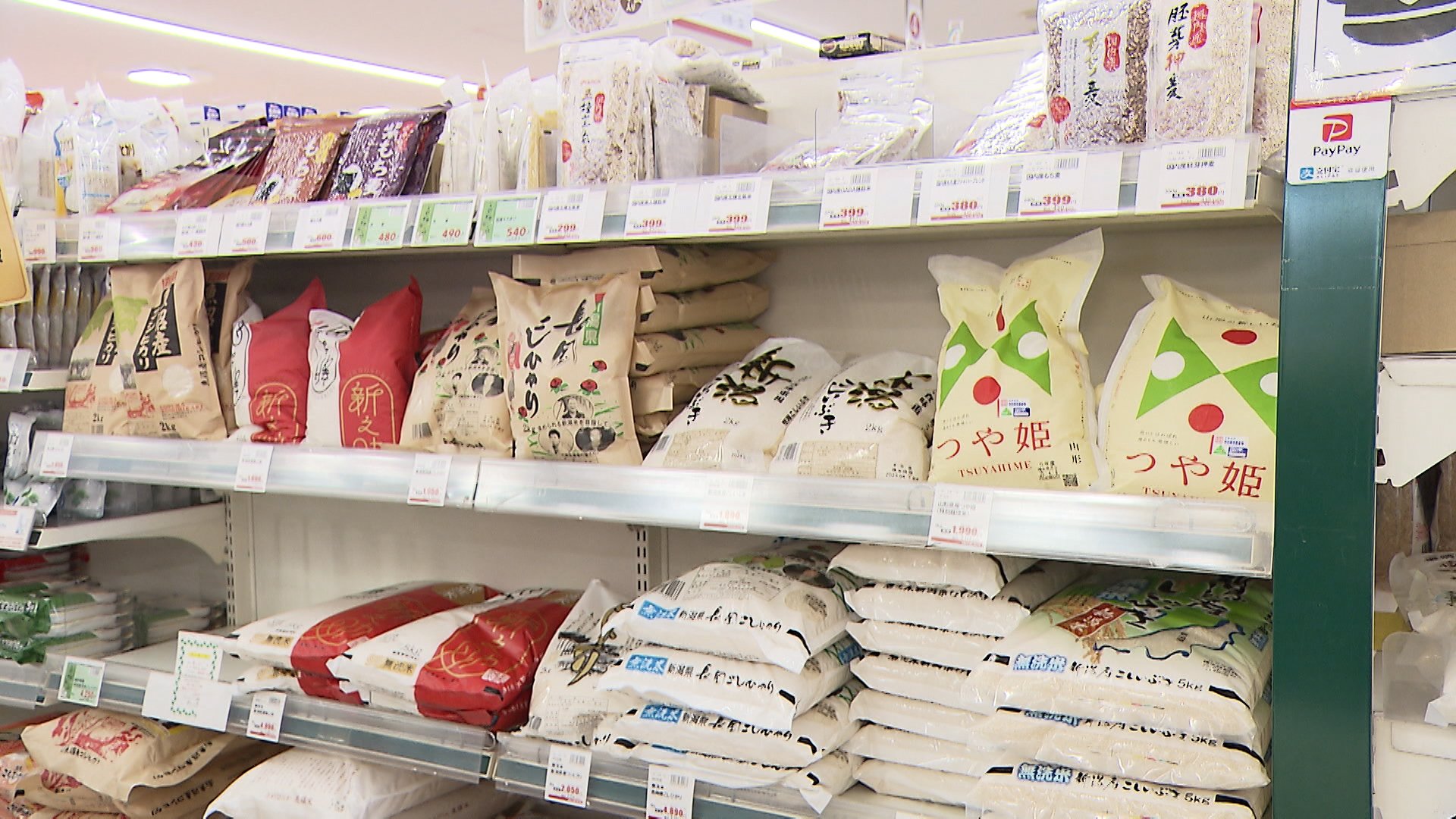
In a surprising move, Japan's Ministry of Agriculture, Forestry, and Fisheries (MAFF) has decided to lift the long-held ban on rice resale, signaling a significant change in Japan's agricultural policy. The policy redirection offers new trading opportunities for both domestic and foreign traders, further fostering competition and innovation within the sector. However, the specific timeline and implementation details are yet to be defined.
Rice is a culturally significant commodity in Japan, and its production, distribution, and consumption come with many regulations. For long, such measures were enforced to maintain the quality of rice, support local farmers, and secure food supply. The policy change will potentially reshape Japan's agricultural scene, affecting rice farmers, distributors, and consumers.
In the US or EU, agricultural policies largely focus on providing subsidies to farmers, and direct reselling of agricultural produce is relatively free. Comparatively, Japan's move indicates a shift toward liberal market operations and reducing government-mediated control in agriculture, which is more in line with Western practices.