
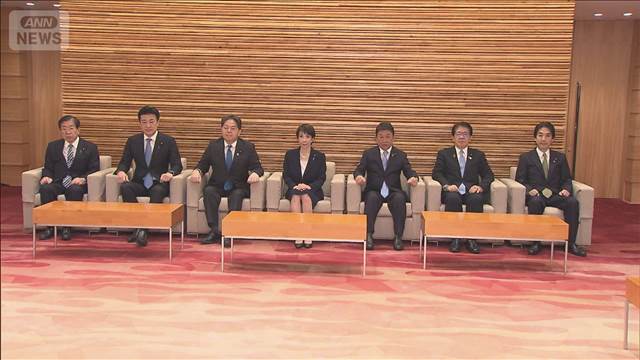
In a bold move to uphold the reputation of state functions, the Japanese cabinet has resolved to outlaw parties held by top government executive positions. Key government officials, commonly known as the "three executive positions," are now prohibited from hosting or attending parties following the cabinet resolution. The law aims to prevent any potential corruption or conflict of interest arising from such gatherings.
The high-ranking government officers in Japan are expected to maintain a strict code of conduct; any deviation can be construed as a serious misstep in Japan's heavily honor-centric culture. The decision to prohibit officials from attending or hosting parties correlates to the public's growing concern about potential corruption and decision-making transparency within the government.
In the US or EU, there are attempts to regulate and maintain transparency in officials' activities with an emphasis on avoiding potential bribery or corruption. However, the direct prohibition of parties is not common. Instead, mandated disclosures of such activities and their funding sources are more prevalent.