
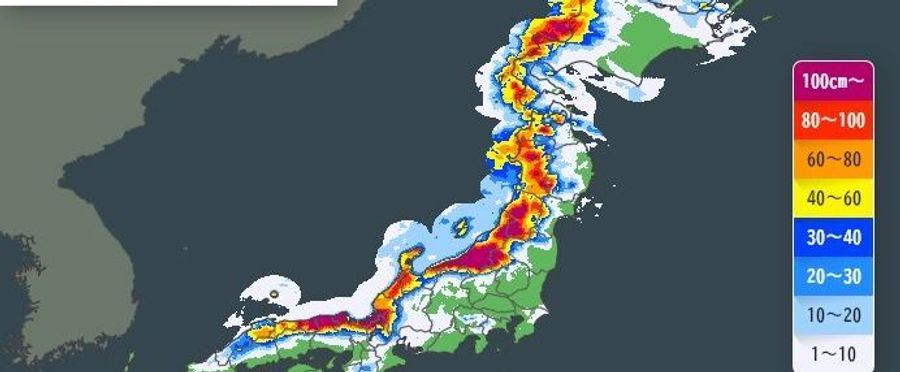
An enduring heavy snowstorm remains persistent over the Japan Sea side, raising alarms for long-term implications. The severe weather condition has triggered an official warning and is expected to linger for an extended phase. While no specific time frame is provided, Japan's meteorological agency urges residents to stay vigilant and take precautionary measures, indicating potential disruptions in daily lives and transport. The cause of this extreme weather is still under investigation.
Heavy snowfall events in Japan are often treated with serious consideration due to their impact on the country's infrastructure and daily life, especially in regions that are not typically snow-prone. This often involves school closures, delays in public transportation, and a surge in demand for heating fuel. Given the frequency of natural disasters in Japan, the society values swift, efficient response and preparation mechanisms. The legal implications include ensuring public safety and managing the possible socioeconomic fallout.
In the U.S or EU, enduring snowstorms and extreme weather events elicit similarly serious responses. Infrastructure disruptions, changes to daily routines, and concerns for the vulnerable population (elderly and homeless people) are common threads. However, the climate policies and preparation modus operandi can and do vary based on the geography and the frequency of such events.