
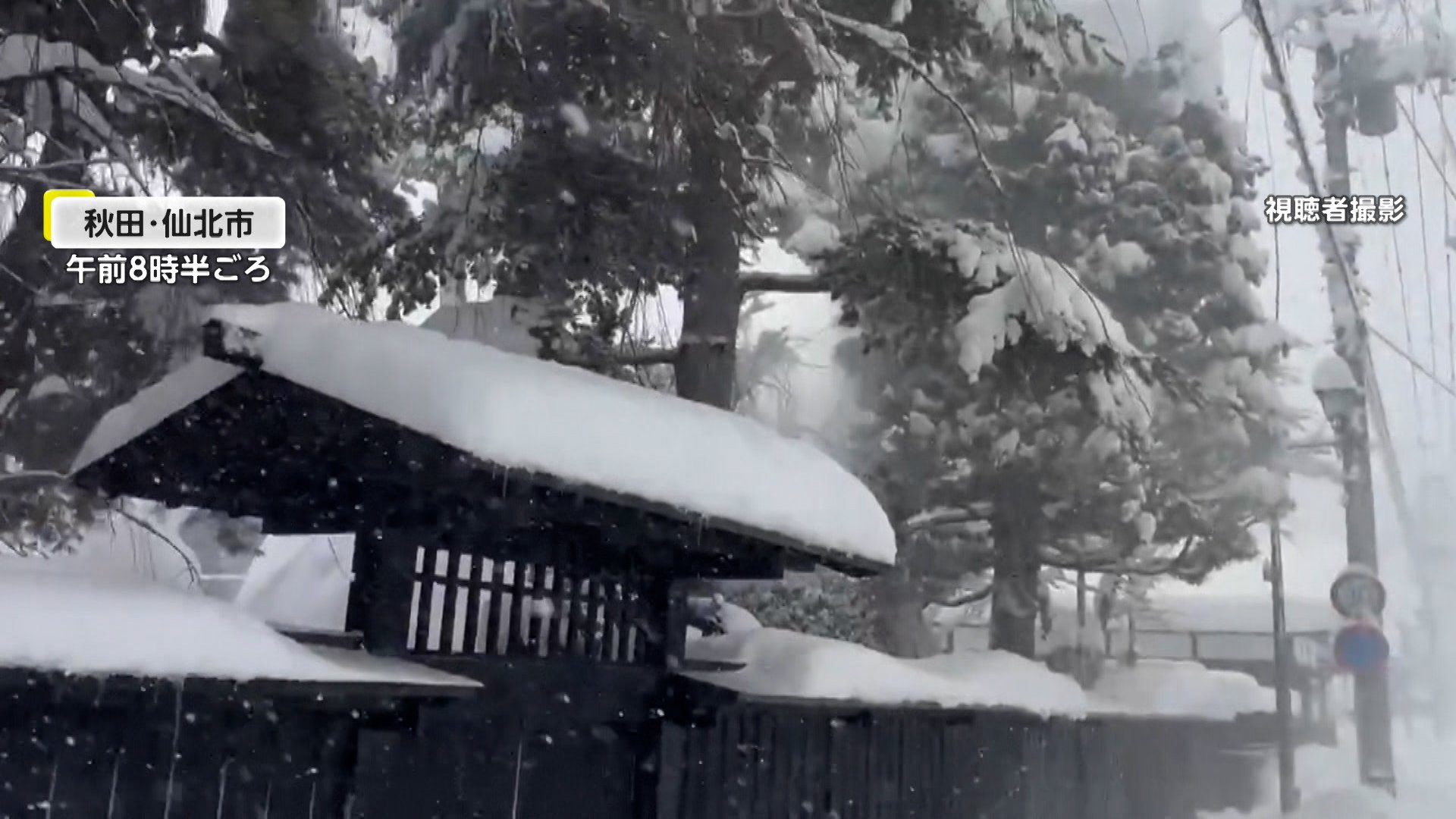
Japan is preparing for what is expected to be the longest cold wave in several years, triggering nationwide weather alerts. The Japan Meteorological Agency has announced the anticipated climatic condition, which would significantly affect the standard of living, disrupt daily activities, and could potentially lead to weather-related accidents. Local governing bodies are collaborating with weather agencies and emergency services to ensure public safety during this period.
This weather phenomenon is quite significant in Japan as it directly influences societal operations such as public transportation, schools, businesses, and the daily lives of residents. It also threatens agriculture and fisheries, which are major components of the nation's economy. Households and entire communities often rally together during such crisis periods, epitomizing Japan's cultural value of group harmony and cooperation.
In the US or EU, similar harsh weather conditions would also require clear anticipatory measures and public advisories by relevant agencies. There would be strategies mobilized to protect vulnerable populations, ensure the continued functionality of important services, and manage expected disruptions. These measures would reflect the respective cultural and societal norms of each region.