
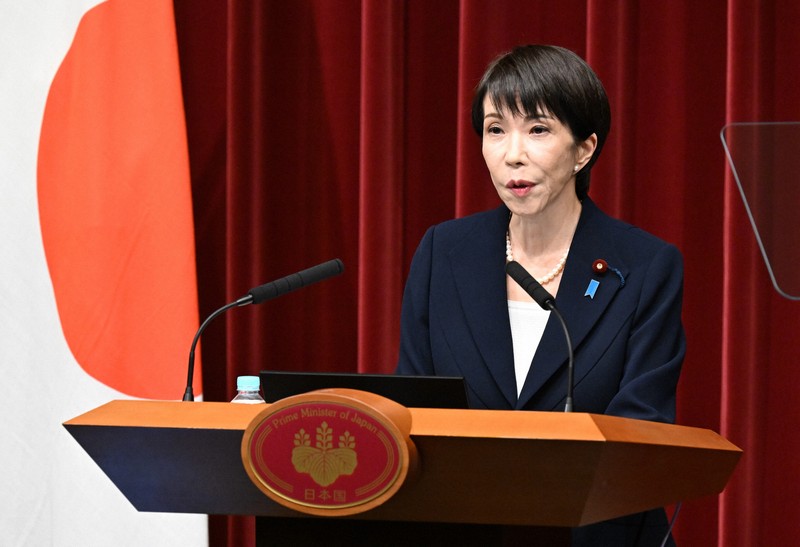
Japan's Prime Minister has announced the dissolution of the lower house, citing the need for a mandate on policy switch as the reason. As this reflects a critical juncture in the country's governance, the decision has profound implications. The public's response will play a significant role in shaping the nation's policy direction amidst internal and external challenges.
This kind of action is a significant move in Japanese politics, often resulting in a general election. The Prime Minister seeks public approval for proposed policy changes through this, hence it's a major event that many people closely monitor. The social values involved include democracy, policy transparency, and public participation in governance.
In the U.S or EU, seeks public mandate through elections is a common practice. However, unlike Japan, the dissolution of parliament is not typically used as a mechanism to confirm public support for policy changes. In these regions, referendums or polls may serve a similar function in some cases, embodying the democratic value of public participation in major policy decisions.