
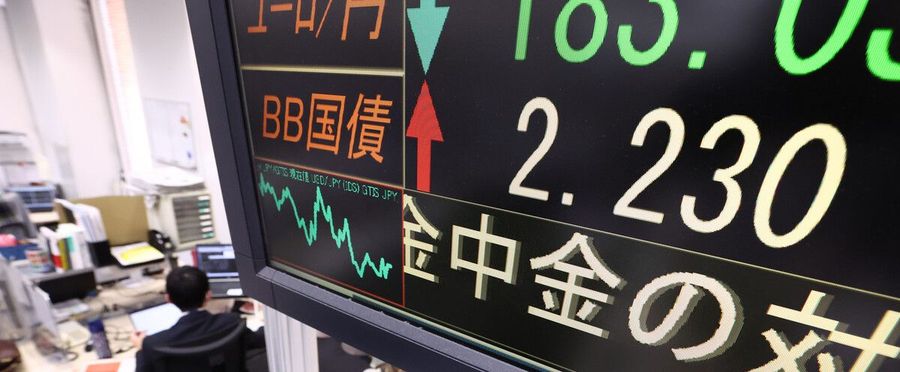
The surge in long-term interest rates in Japan has prompted concern among experts and policymakers. They are now pondering over possible reductions in the consumption tax. This follows the understanding that high interest rates could impact fiscal stability, and measures like tax cuts, they believe, could counterbalance any potential negative effects. The timing, scale, and execution of these proposed changes are presently under debate.
Japan's consumption tax is a fundamental revenue source for the government, helping to support and maintain public services. However, with the rising long-term interest rates, there are worries about the potential impact on the country's fiscal health. Japanese citizens and economists are keeping a keen eye on these discussions, given their direct implications on household finances and the broader economy.
In contrast, the US and EU generally have independent central banks that closely monitor interest rates to ensure economic stability. Tax policies do evolve in response to economic conditions but are typically used to stimulate growth or curb inflation rather than as a direct reaction to interest rate changes.