
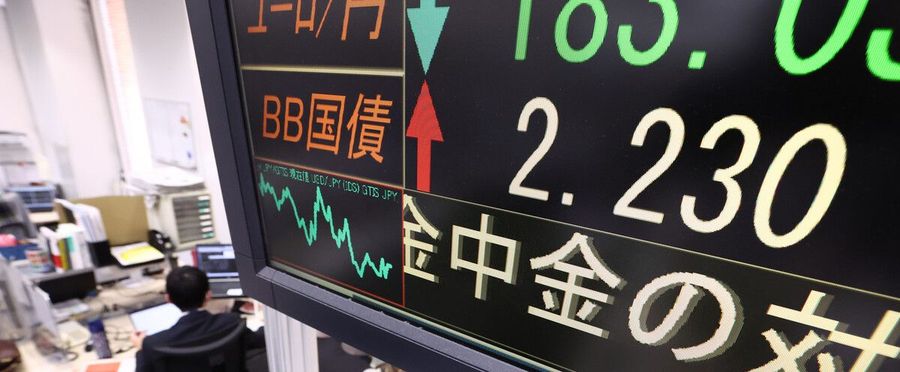
Japan's long-term interest rates have risen to 2.230%, the highest they've been in 27 years. This increase could hold significant implications for the country's economy and its investors. While higher rates could profit bondholders, they could also suggest potential inflationary pressures. How this change will impact Japan's economic future remains to be seen.
Interest rates are closely monitored in Japan because many individuals and corporations invest in bonds, the value of which is directly affected by these rates. Furthermore, Japan has been in a decades-long battle with deflation, so any signs of rising rates and potential inflation draw significant attention and evoke mixed reactions.
In the United States or the European Union, such an increase in long-term interest rates would be handled somewhat similarly. Investors would benefit from higher yields on bonds, yet there would be concerns about mounting inflationary pressures. However, due to the different economic structures, the impact may be more significant in Japan since it has faced persistent deflation issues for a long time.