
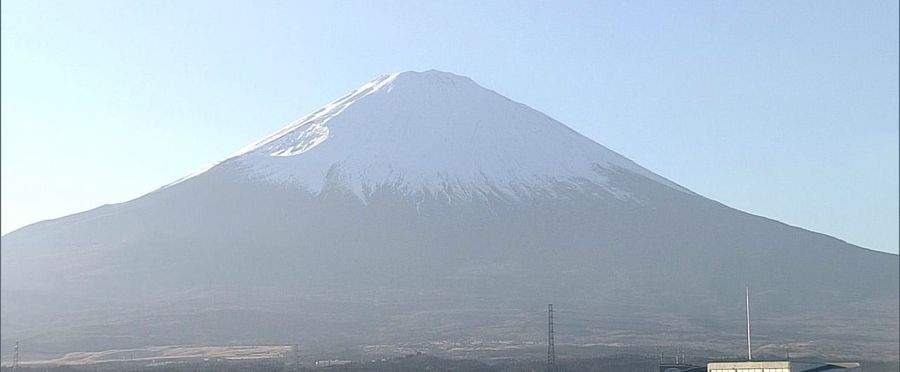
A male hiker has sought rescue while ascending Mount Fuji during its off-season closure. The specifics surrounding the circumstances of his expedition and how he found himself in need of assistance are currently unknown. Rescue teams are deploying with the aim of ensuring the man's safety and evacuating him from Japan’s tallest peak. This incident sparks renewed discussions regarding climbing safety and off-season restrictions.
Mount Fuji, a UNESCO World Heritage site in Japan, is crucial both culturally and ecologically. It is closed for hikers during off-peak seasons, from early September to late June, for various reasons including safety concerns and environmental preservation. These rules are respected by the public, and violation often leads to significant scrutiny. Many in Japan view actions such as this as a disregard for the country’s culture and environment.
In the US or EU, individuals also face penalties for disregarding park rules or closures, often facing fines or even imprisonment. Rescue operations entail considerable cost and risk, hence public sentiment often leans towards holding individuals responsible for their own safety when they ignore regulations. This incident has analogues in the US and EU, with many highly publicized rescue missions on national parks and mountain ranges.