
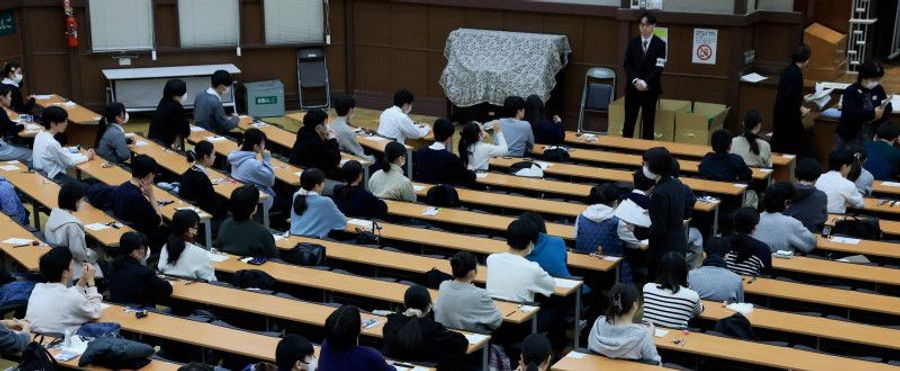
A recent report reveals the disqualification of seven students from this year's Universal Test in Japan. The disqualification came as a result of their violation of the not yet specified rules of participation. There is ongoing investigation into the incident, with the education ministry yet to release an official statement on the matter. The disqualified students' schools are also in the process of addressing the issue internally.
In Japan, the Universal Test, also known as the "共通テスト", is a national standardized high school graduation examination required for university admission. It holds a great value, and the integrity of the test is seriously upheld. The disqualification of the seven students hence sparked serious discussions about exam ethics among students, parents and educational institutions.
In the US or EU, breaking exam rules also results in serious actions like disqualification or expulsion. However, the scopes of standardized testing are different, with each state in the US having its own set of educational standards, typically determined by each state's department of education. In the EU, educational standards and examinations are usually steered by the policy of the individual countries.