
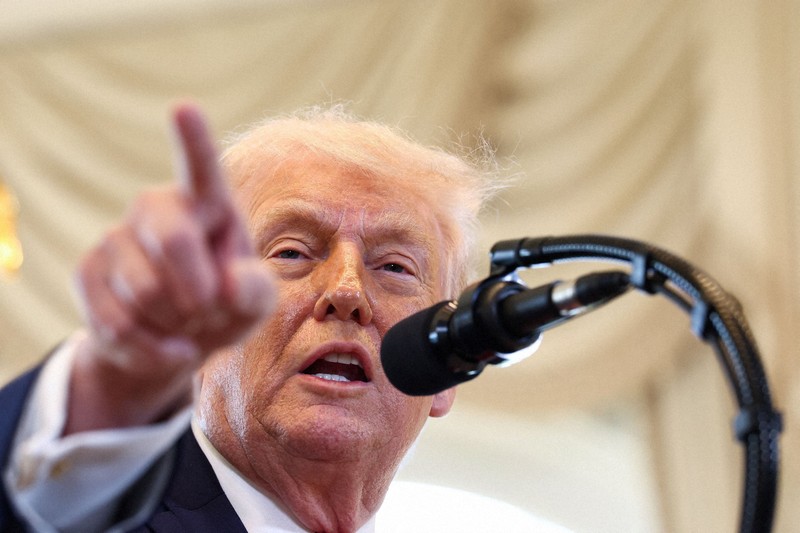
The U.S. President has announced a 10% trade tariff on eight European countries, a decision that could have far-reaching implications for global trade. The announcement, which did not specify the reasons behind the decision, is expected to affect various sectors, potentially straining ties between the U.S. and its allied nations. Economic analysts worldwide are closely tracking the developments following this announcement.
Being heavily invested in the economic stability of the global markets, Japan is closely monitoring these developments. Given the established trade relations between Japan and the affected European countries, the tariff increase by the U.S. may fuel greater trade tensions worldwide, which Japan, as a major trading state, would likely prefer to avoid. Debates surrounding this issue are expected to take critical socio-economic perspectives into account.
Historically, the EU and the U.S. have maintained a steady trade relationship, barring occasional disagreements. The new tariffs, however, could be perceived as an escalation. In contrast, while the US has also used tariffs as a tool in trade negotiations with other countries, such as China, this recent development may provoke stronger reactions due to the close diplomatic ties between the US and Europe.