
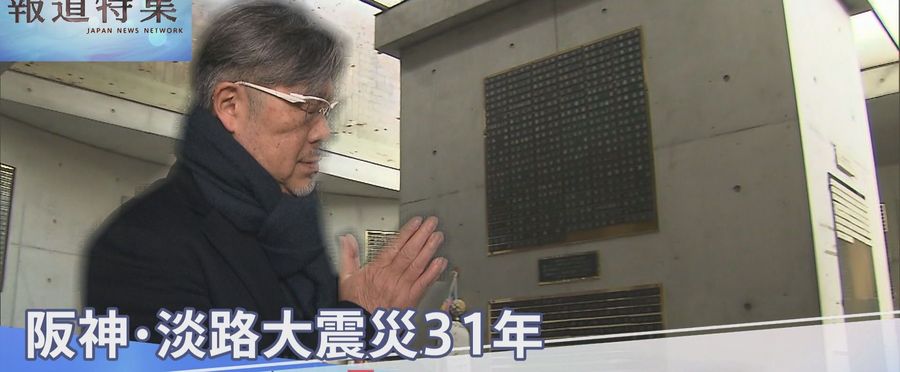
Japanese households mourn the lingering ‘indirect deaths’ ensuing the earthquake disaster. These ‘indirect deaths’ include those who passed away subsequent to the earthquake due to stress-related conditions, poor living conditions, and other factors indirectly related to the disaster. The devastating effects of such disasters have extended far beyond the immediate damage, causing ongoing grief for the affected families.
In Japan, where social harmony and collective welfare are highly regarded, such losses resonate deeply in the community. Furthermore, the Japanese legal system recognizes 'indirect death' following major disasters, a concept that can often initiate compensation or legal action. The public sympathizes heavily with the affected families, given Japan's history of repeated natural disasters.
In the US or EU, the aftermath of such disasters would be viewed similarly, albeit without the specific legal definition of 'indirect death'. Bereavement and the indirect effects of disasters are taken seriously, focusing on psychological support and rebuilding measures. However, the central role of the family in society, as emphasized in Japan, might be lesser in Western societies, leading to varying coping mechanisms.