
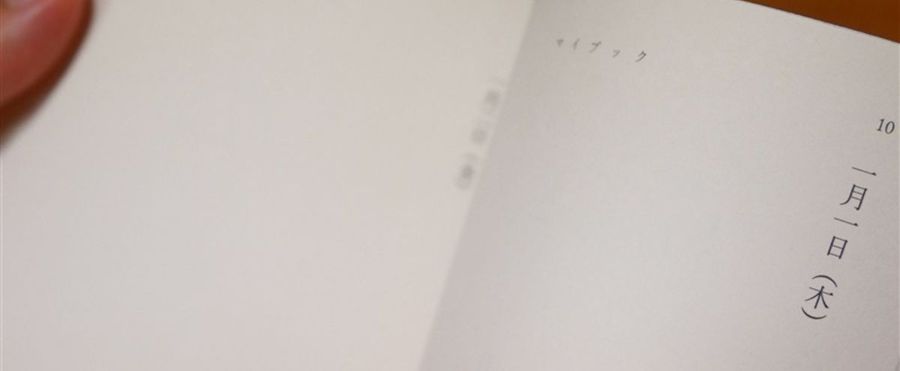
A Plain White Planner with nothing but dates and days of the week has seen an unexpected popularity surge in Japan. Marketed as the "white book", this unadorned stationery item has been flying off the shelves, despite lacking the usual extras and embellishments found in most planners. Its success underlines a growing societal trend towards simplicity and functionality, offering users a blank canvas to organize their thoughts and schedules.
In Japanese society, where minimalism and simplicity are often held in high regard, the success of the "white book" underlines these values. The product's streamlined design resonates with people looking for functional tools sans flashy aesthetics or unnecessary additions. Appreciation for minimalism, deep-rooted in Zen philosophy and culture, dominates consumer trends in Japan.
While simplicity is globally appreciated, the popularity of such a basic planner is uniquely Japanese. In contrast, planners in the US or EU usually come with a variety of features such as themed inserts, stickers, and fancy layouts as selling points. These different preferences indicate nuanced cultural approaches to organization and lifestyle habits.