
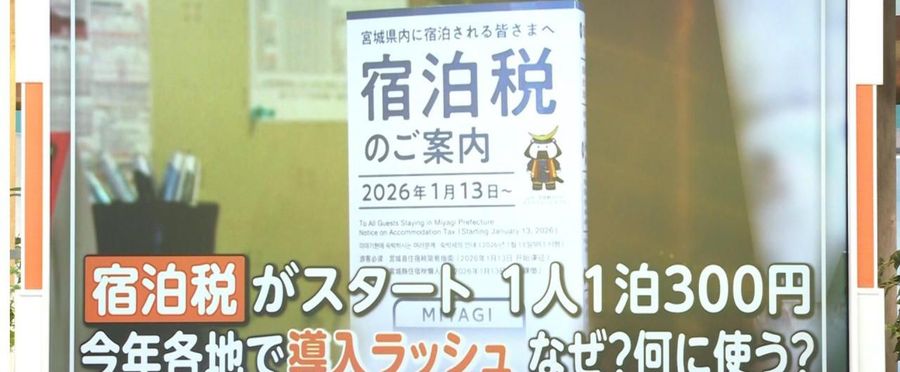
In a surprising move spurred by the economic environment, local governments across Japan are introducing accommodation taxes at an increasing rate. This development aims to ease the financial pressure on municipalities and diversify their revenue amid spiking tourist demands and dwindling fiscal budgets. The timing is not a mere coincidence but rather seen as a strategic move set in the wake of the upcoming major tourist seasons and global economic recovery.
In Japan, local governments possess the ability to levy their own taxes aside from national taxes, with accommodation taxes being one of them. The recent trend indicates municipalities' shifting approach to boost their economy and sustain local services while balancing tourism growth. This issue attracts public interest, as it directly affects the domestic tourism industry, local businesses, and visitors.
Similar to local tourism taxes seen in various European cities like Prague or Rome, Japan's accommodation tax serves to reinvest in local tourism infrastructure and services. In the US, the concept is more akin to hotel room taxes, which vary greatly from location to location and are often used similarly to fund tourism-related projects.