
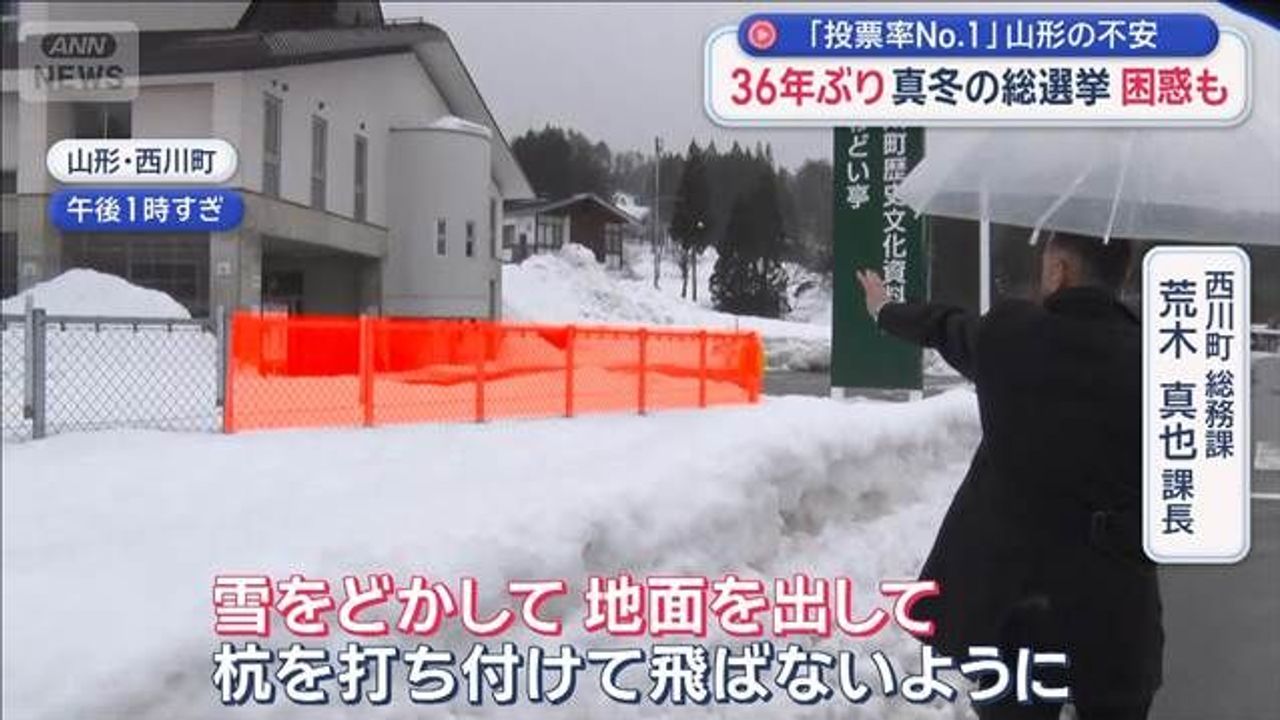
The impending Japanese House of Representatives elections are posing unique challenges in the heavy snowfall regions. The severe weather conditions are causing apprehension among residents, dissuading them from stepping out to cast their votes. With the electoral process at stake, the Government and local bodies are striving to come up with solutions to ensure smooth voting despite the harsh weather. This situation underscores the broader issue of accessibility and participation in rural areas during national events.
In Japan, voting is considered both a right and a responsibility, contributing to the overall shape of the country’s political landscape. Access to voting booths in rural and underserved parts of the country, especially during extreme weather conditions, is a major concern. This situation brings to light the necessity for efficient systems that can withstand and adapt to environmental challenges, ensuring inclusive participation across demographics.
In the US and EU, extreme weather conditions can also disrupt voting. However, both these regions have adopted extensive postal voting and introduced digital alternatives to accommodate these circumstances, maintaining the democratic process. This story brings up a direct comparison to these regions and could push Japan towards similar technology or policy changes.