
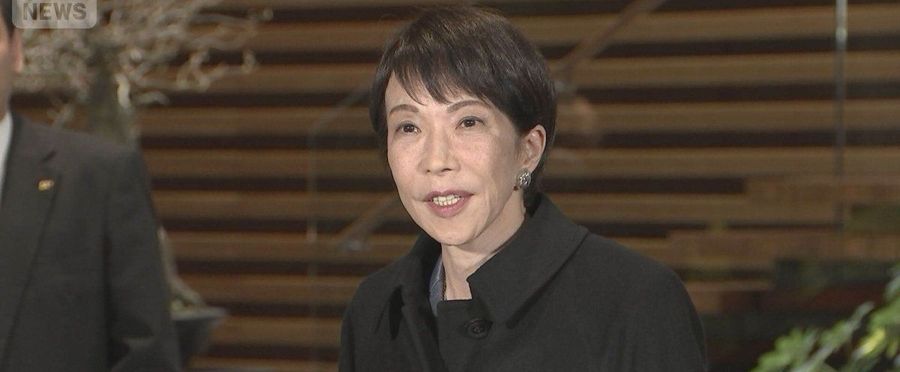
Japanese Prime Minister Takashi has dissolved the Lower House, a move that seemingly came out of nowhere. This move typically presages a snap general election. The exact reasons behind the Prime Minister's decision remain unclear and are currently a topic of widespread public discussion. The implications of this decision and its timing will surely influence Japan's political landscape in the immediate future.
Public opinion in Japan is highly focused on stability and often reacts to political uncertainty. Dissolving the Lower House without clear reasons can be seen as a significant political gamble, and it may reflect declining public support or trying to consolidate power ahead of a critical vote. Unlike in other democracies, Japan's prime minister can dissolve the Lower House at wil, a decision usually made to take advantage of favorable conditions for an election.
In the US and EU, such a decision would require checks and balances, requiring approval from other branches of government. While dissolutions of this sort do occur in these regions, most notably in parliamentary systems such as the UK, the Prime Minister or President does not have the unilateral power to dissolve an entire chamber of the legislature.