
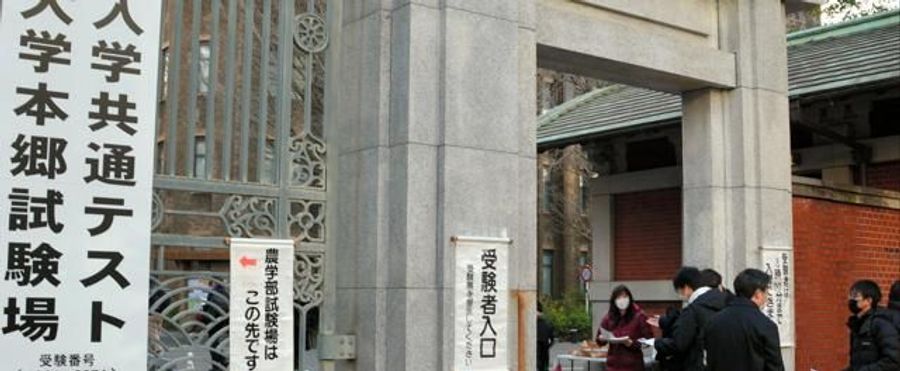
A significant increase has been noticed in the number of repeat test takers, or 'Rōnin' students, for Japan's Common Test for University Admissions. The application rate among these individuals has surged by 1.4 times compared to previous years. The spike indicates the escalating competition and rigorous nature of the test, which vets students' capabilities for higher education.
In Japan, the Common Test for University Admissions is highly competitive and prestigious. Being a Rōnin (a student who takes a year off to study) is a common practice, and this surge in repeat applicants reflects the challenging and competitive nature of the education system. This spike raises concerns about the pressure on students and the need for possible adjustments in the system.
In contrast, in the US or EU, there are various types of admission tests and the applications don't tend to fluctuate as dramatically. Personal essays and extracurricular activities, along with various other factors, are also considered along with test scores, unlike the heavy focus on testing in Japan, ensuring a well-rounded application evaluation process.