
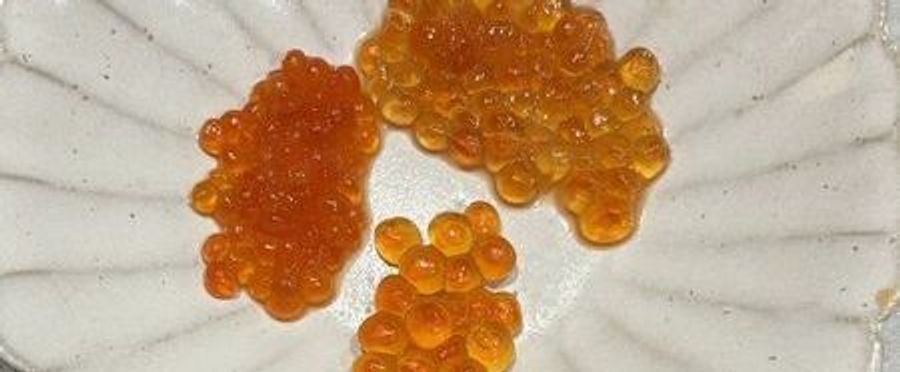
Japanese consumers have been noticing a perceptible decrease in the size of individual salmon roe, known as 'Ikura', a popular item in Japanese cuisine. This recent change has spiked curiosity and concerns among the public and discerning gourmands, pondering the cause behind this phenomenon. Factors could range from changes in fishing methods, climate change impacts on the salmon lifecycle, or alterations in food processing techniques. The exact cause remains to be objectively identified and agency responses to the issue await public dissemination.
Japan, known for its meticulous food culture and distinct aesthetics, characters its cuisine with scrupulous attention to detail, including the size, color, and texture of ingredients. Salmon roe is a prized delicacy in sushi and seafood dishes, often signifying quality and authenticity of the cuisine. Its shrinking size could impact perceived and actual value, potentially stirring a discernible shift in Japan's food industry and consumers' trust in its seafood output.
In the US or EU, changes in food products are often met with scientific investigation and public discourse, especially when those changes may signify environmental or industry shifts. It's likely there would be similar concern and demand for transparency and explanation. Likewise, the love for sushi and seafood can also be found outside Japan, and any changes to key ingredients used, like salmon roe, would demand attention of global gourmets.