
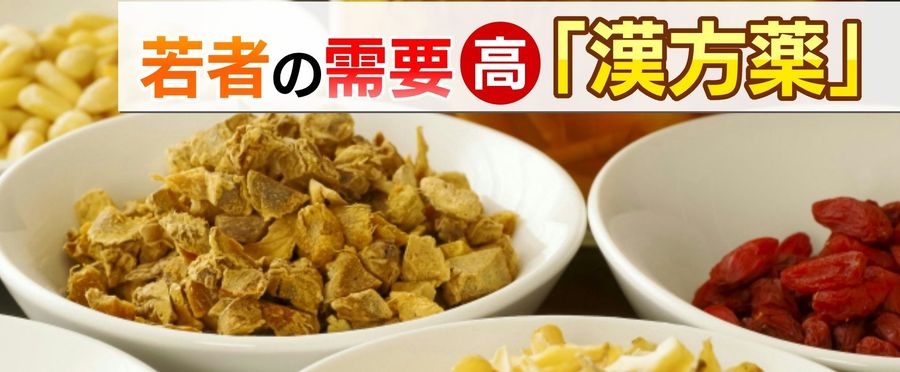
In recent times, there has been a surge in the demand for traditional herbal medicine, particularly among Japan's younger population. However, experts, including specialized doctors, are ringing alarm bells about potential implications. Although the specifics are yet to be determined, the overall trend appears to lean towards self-medication, utilizing a conventional healing method that's an integral part of Japanese culture. There are concerns related to product safety, efficacy, and the risks of incorrect self-diagnosis.
In Japan, people have a deep-seated trust in traditional medicine - referred to as Kampo in Japanese. Many consider it an effective alternative or supplement to conventional medicine. The rising demand among young people reflects this cultural belief but also hints at an emerging trend towards self-care and wellness. The concerns raised by medical experts relay cultural, legal, and ethical questions in the country about the appropriate use of these traditional medicines.
In the US or EU, herbal remedies and supplements are popular but their use is generally discretionary. Unlike Japan, they are not typically integrated into mainstream healthcare. However, similar concerns exist about product quality, unintended side-effects, and potential misuse or overuse by self-medicating individuals.