
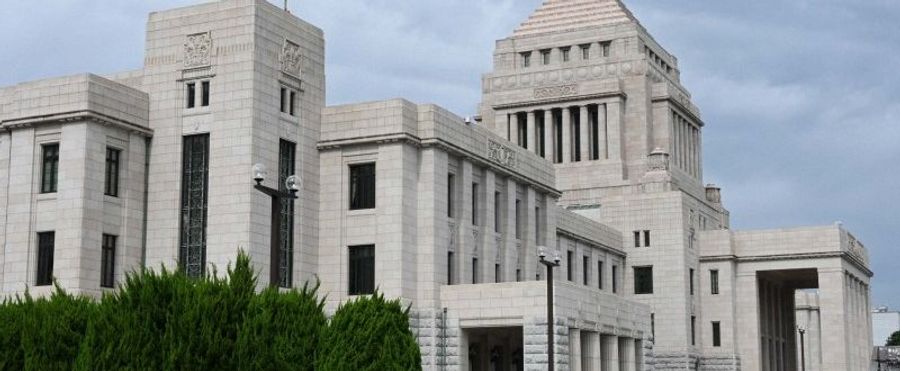
The Japanese government made a significant decision to exclude a proposed crime against flag desecration from its upcoming legislative agenda. This move brings relief to some parties who feared such penalties would infringe upon citizens' right to freedom of expression. However, the decision has also stirred controversy among those believing in the necessity to legally protect national symbols.
This issue stirs considerable debate in Japan, with a delicate balance between citizens' rights to free expression and the need to respect national symbols like the flag. Japan, having a history deeply rooted in cultural symbolism, places a high importance on respecting national symbols. However, there are also robust conversations around democratic values and personal freedoms.
Unlike in Japan, in the United States, flag desecration is protected under the First Amendment rights to free speech, as established by the Supreme Court in the 1989 Texas v. Johnson case. Similarly, while some EU countries like Germany and France make it a crime to desecrate national symbols, others do not explicitly address this issue legally, reflecting varying attitudes and legislation on freedom of speech and national symbols.