
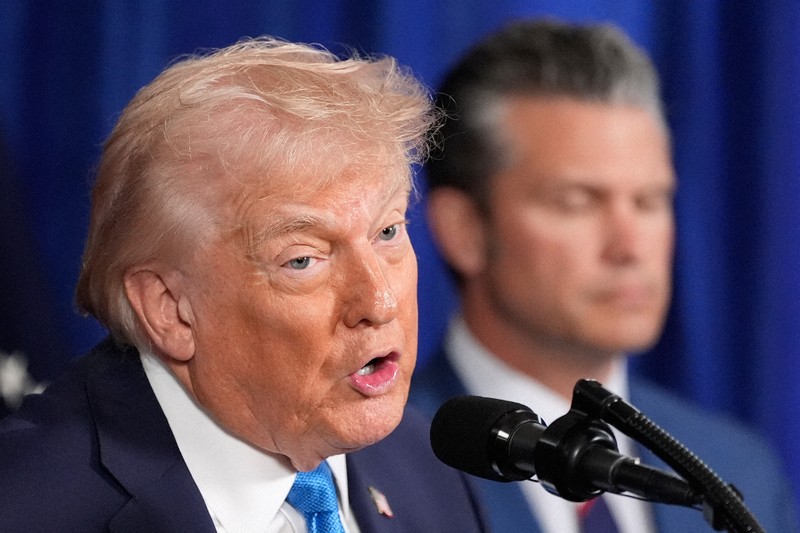
The article discusses the 'Lone Wolf' policy of the sitting U.S. President, a term used by Japanese media to depict a stance that defends national interest with less reliance on international cooperation. Questions are raised about the impact of this policy on global diplomacy and international relations, intriguing readers to explore how this doctrine might affect Japan-U.S relations and the global stage.
Japanese citizens are presumably very interested in the U.S.'s foreign policy, given the significant diplomatic, economic, and military ties between the two nations. The 'Lone Wolf' doctrine seemingly lessens the U.S.'s dependency on alliances, which could affect Japan's position as a key ally.
In comparison to the U.S. or EU, Japanese foreign policy strategies have long been centered around building and maintaining strong alliances, particularly post-WWII. This article sheds light on how a shift in U.S. policy could affect this approach or require Japan to rethink its own foreign policy strategies.