
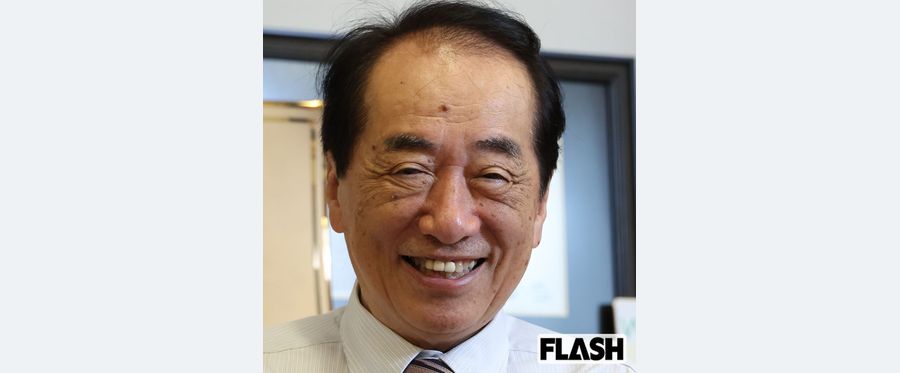
The spouse of Naoto Kan, former Japanese Prime Minister, has recently opened up about their realities of living with a Category 3 care status, a designation in Japan for those requiring substantial assistance with daily life. This disclosure comes as Japan continues to grapple with an ageing population, raising critical questions about elderly care and societal attitudes towards health and ageing.
Japan is dealing with what's known as a "super-aged" society, with 28% of the population being over 65 years old. The concern for elderly care, including the appropriate categorization of those needing personal care, is an issue close to the hearts of many citizens. Elderly care is rated from 1 to 5 based on the severity of the individual's condition, with 3 indicating substantial daily care needed. Such personal revelations from high-profile individuals often lead to increased discussion and advocacy for health and social care policies.
Unlike Japan, the US and EU do not use explicit categorization like the 'care status' for their elderly populations. The focus is rather on providing effective health care, with a focus on independent living and age-supportive environments. However, Japan's forthrightness in the categorization might provide more visibility to the individual needs of these populations, promoting better tailored care.