
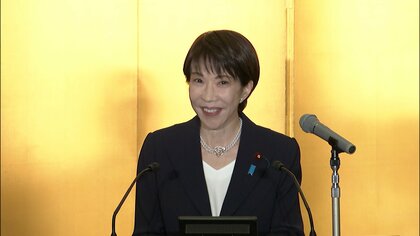
Japan's Prime Minister has refrained from commenting on the U.S. military operations. This silence comes amidst rising tensions and notable global attention towards the military actions of the United States. At the time when the world is looking at Japan for a stance, the Prime Minister's decision not to comment fuels speculation about Japan's stance on international military intervention.
Japanese society generally favours peace and diplomatic resolution to conflicts, shaped by the country's post-war pacifist constitution. The Prime Minister's silence taps into this sentiment, promoting neutrality especially when it concerns a significant ally like the U.S. The issue generates discussions on Japan's international role and its delicate balance between national interests and global responsibilities.
In the U.S., or the E.U., political leaders are often expected to comment on major international events, especially those involving military engagements by their countries or allies. The Prime Minister's decision not to comment contrasts with this expectation, highlighting the difference in political discourse between Japan and these regions.