
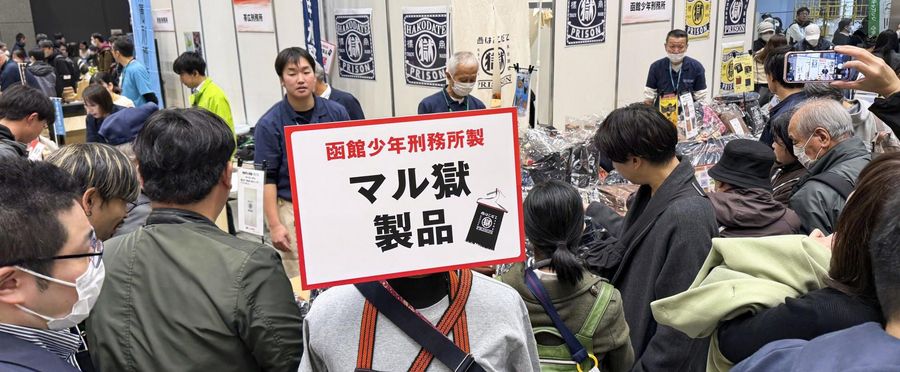
Japan is seeing a steady rise in the revenue generated from products manufactured in its prisons, a unique facet of its correctional system. These goods, ranging from furniture to clothing, are often sold directly to the public, contributing to the national economy. This increase indicates both the effectiveness of the work reform programs in Japanese prisons and the public's acceptance of these products.
In Japan, prison labor is seen as a form of rehabilitation, aiding inmates in developing useful skills and work ethics. The society largely supports these initiatives as they promote reintegration, help maintain prison financial sustainability, and contribute to the economy. The rising sales of such products indicate the consumer market is comfortable with this practice, valuing the products over their origin.
Contrastingly, in the US and EU, prison labor is often viewed through a more critical lens, associated with exploitation and low wages. These regions struggle with corporations profiting from cheap prison labor, which largely differs from Japan's publicly accepted, rehabilitation-focused approach.