
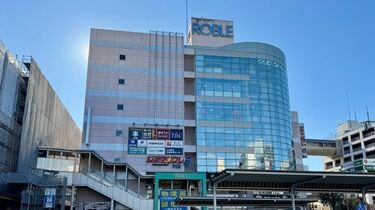
In prime locations across Japan, including those in front of train stations, malls and shopping centers are eerily deserted and becoming derelict. This trend, strikingly evident amidst Japan's real estate scenarios, is casting an ominous shadow over the economy. Authorities and economists are increasingly concerned about the underlying factors such as declining population, changing consumer habits, and the economic impact of the ongoing pandemic.
Japan's depopulation crisis coupled with the shift to online shopping and the effects of the COVID-19 pandemic are decrepitating once-thriving establishments. Malls and shopping centers, usually buzzing with activity, now stand empty. This signals a deeper socioeconomic issue which is a topic of widespread concern among citizens, policymakers and economic experts.
The phenomena of empty malls and urban decay isn't unique to Japan. Similar issues are occurring in parts of the U.S., especially in suburban areas. While urban decay is a problem in some areas of Europe, it is less of a widespread issue due to different urban planning strategies and population dynamics. In the U.S. and Europe, measures have been proposed and implemented to revitalize these spaces, including converting them into residential areas, offices, or public facilities.