
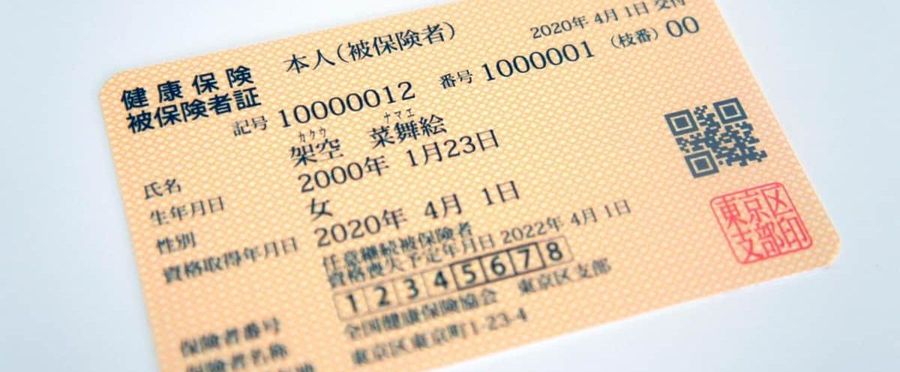
Three major Japanese convenience store chains have indicated their refusal to accept health insurance cards for age verification. This comes in response to an approach by the national government, which suggested the use of health insurance cards that contain the bearer's date of birth as a means to ascertain their age. The move has stirred debate about consumer privacy rights and identity protection, particularly considering the extensive personal information contained on Japanese health insurance cards.
In Japan, as part of a crackdown on underage drinking and smoking, convenience stores may need to verify a customer's age when they purchase such products. The proposal to use health insurance cards, which include personal information, spark fears over potential misuse of data and privacy invasions. Customer trust and data privacy are paramount concerns in Japanese society, making this issue a topic of significant public interest.
In the US or the EU, driver's licenses or ID cards with minimal personal information are generally used for age verification. However, should a similar approach be proposed, it would also likely face significant resistance due to privacy concerns, as health insurance cards carry sensitive personal health data.