
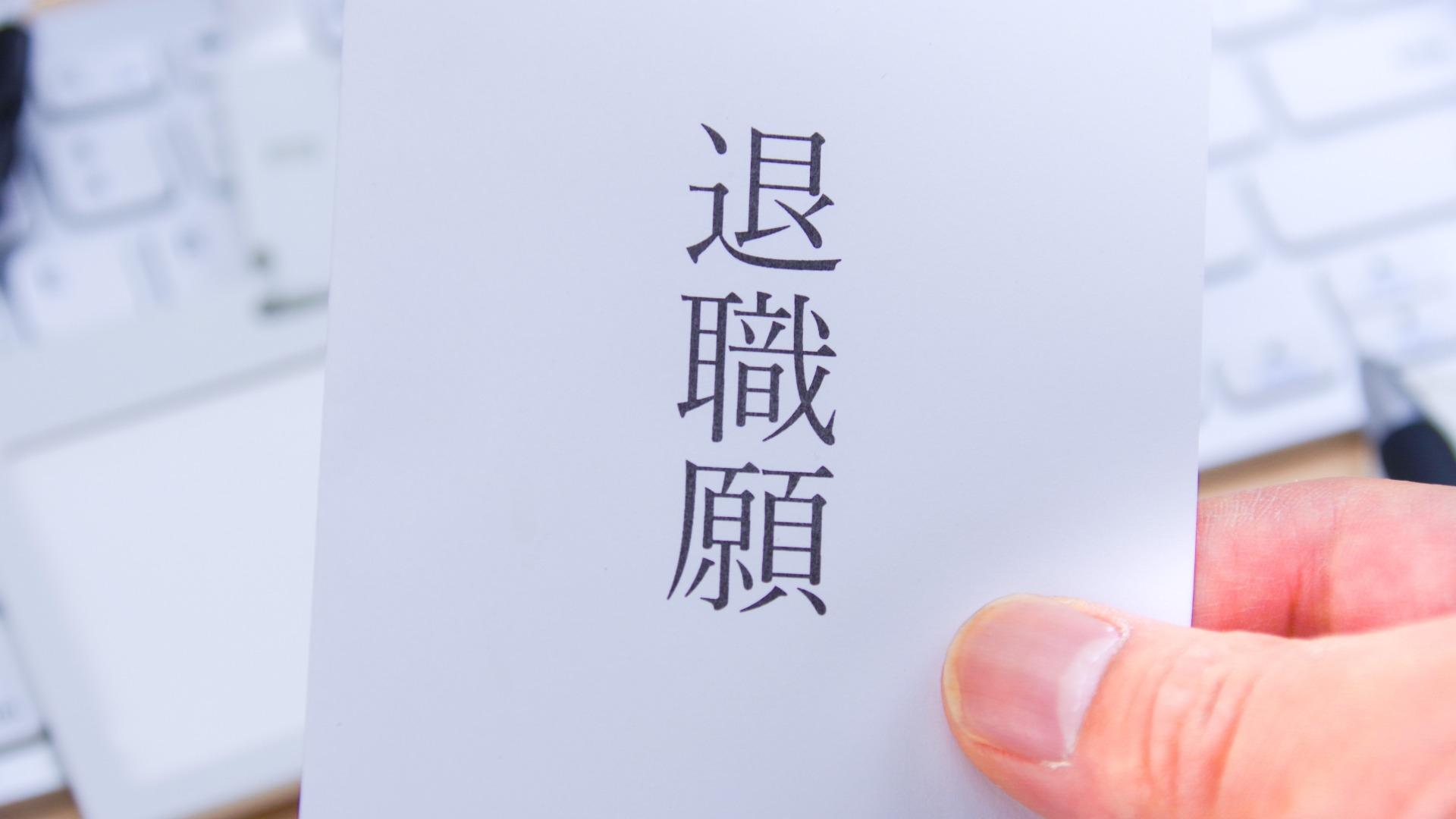
The Japanese work environment is notorious for high stress, often peaking with a surge of resignations following the year-end holidays. This article discusses strategies businesses are employing to prevent this employee exodus, including improved work conditions, better work-life balance, and enhanced benefit packages. The goal is to retain valuable employees, stabilize the workforce, and boost satisfaction and productivity levels.
Japanese workplaces are traditionally characterized by rigid systems of hierarchy and many workers endure long hours, a phenomenon known as "karōshi" (death from overwork). The spike in resignations after the New Year holiday reflects the stress experienced by many Japanese workers. There has been increasing pressure on companies, as well as government, to improve conditions and prevent high turnover rates.
In the U.S. or EU, workforce retention strategies often include flexible work hours, teleworking, increased vacation days, and other benefits to promote work-life harmony. If necessary, labor laws are enforced, ensuring that workers do not exceed a maximum number of work hours.