
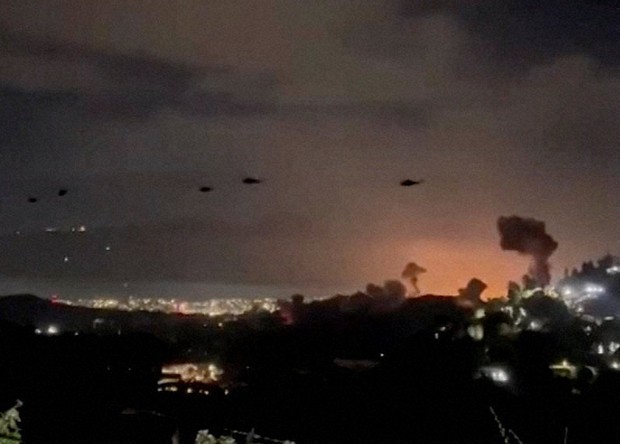
The President of Venezuela has been detained, with speculation rising over a potential extradition to the United States. This development follows persistent political turmoil in the country. The full details surrounding the arrest, including the precise charges and who is behind it, remain unclear at this point. Expectedly, this situation will have significant implications on the geopolitical landscape, particularly between Venezuela, its Latin American neighbors, and the United States.
In Japan, the crisis in Venezuela often makes headlines for its geopolitical implications and humanitarian concerns. Japanese media tends to focus on maintaining neutrality and analyzing various international perspectives. The legality and morality of international interventions in sovereign nations' affairs are issues of great significance for Japan, which has a staunch commitment to peace and diplomacy derived from its post-WWII constitution.
In the U.S. and EU, the handling of international political crises similarly creates significant debate. While there is a shared global concern over the humanitarian crisis in Venezuela, the appropriateness of other nations intervening in the country's affairs remains a contentious issue. With the U.S.'s historical involvement in Latin America, news of a potential extradition often draws intense scrutiny and commentary in both the national and international spheres.